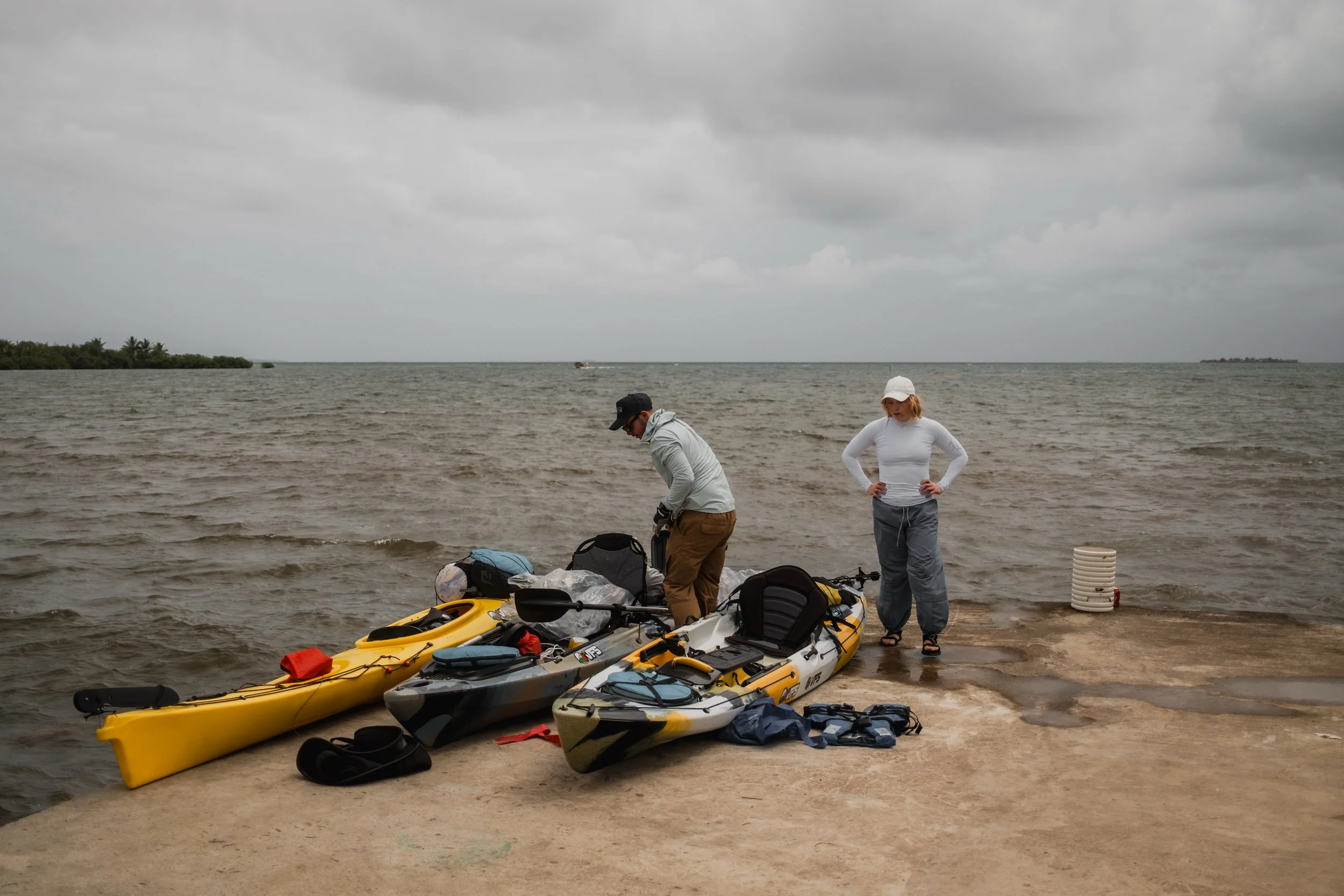
Kayaking the Darien Gap
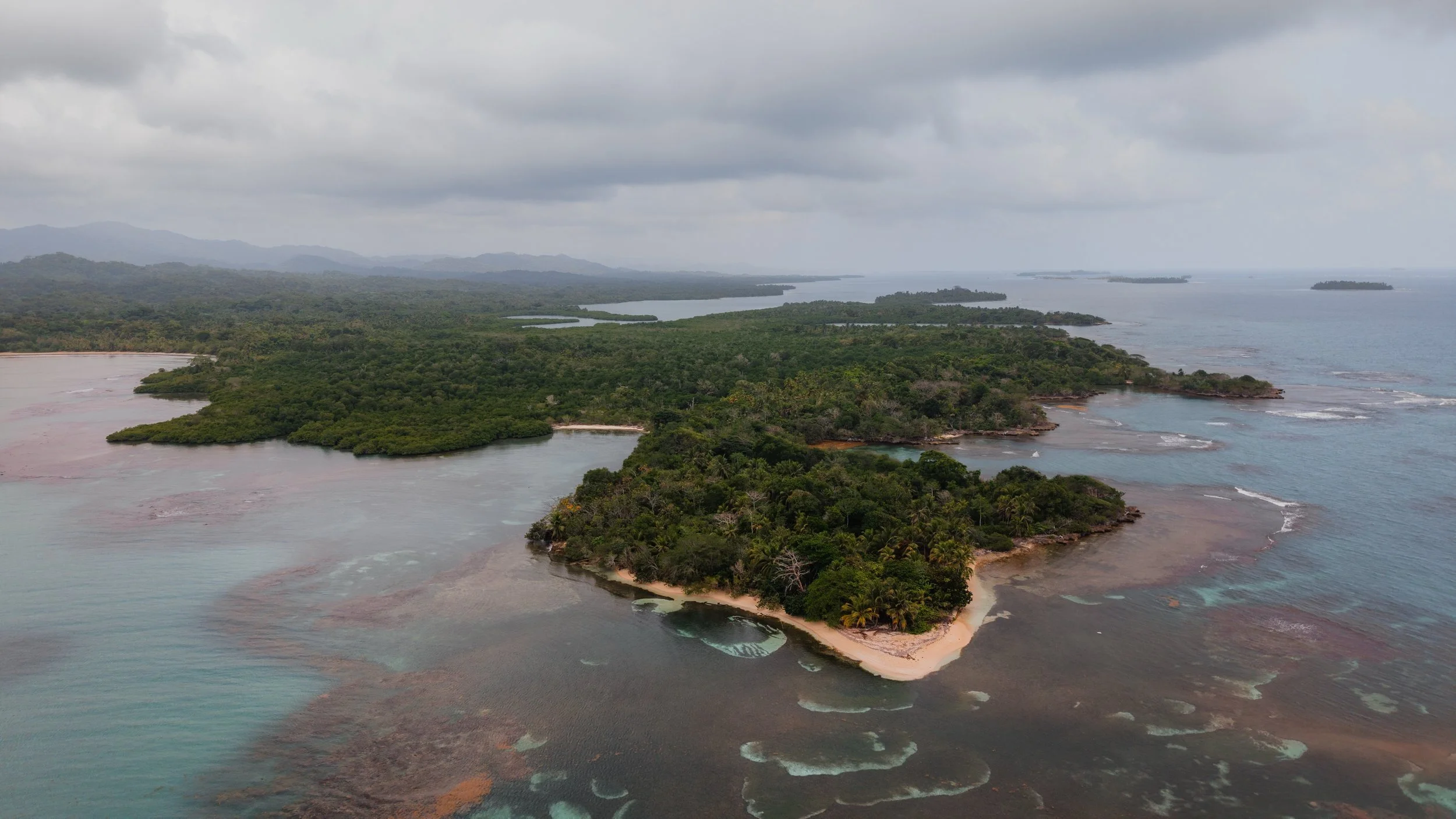
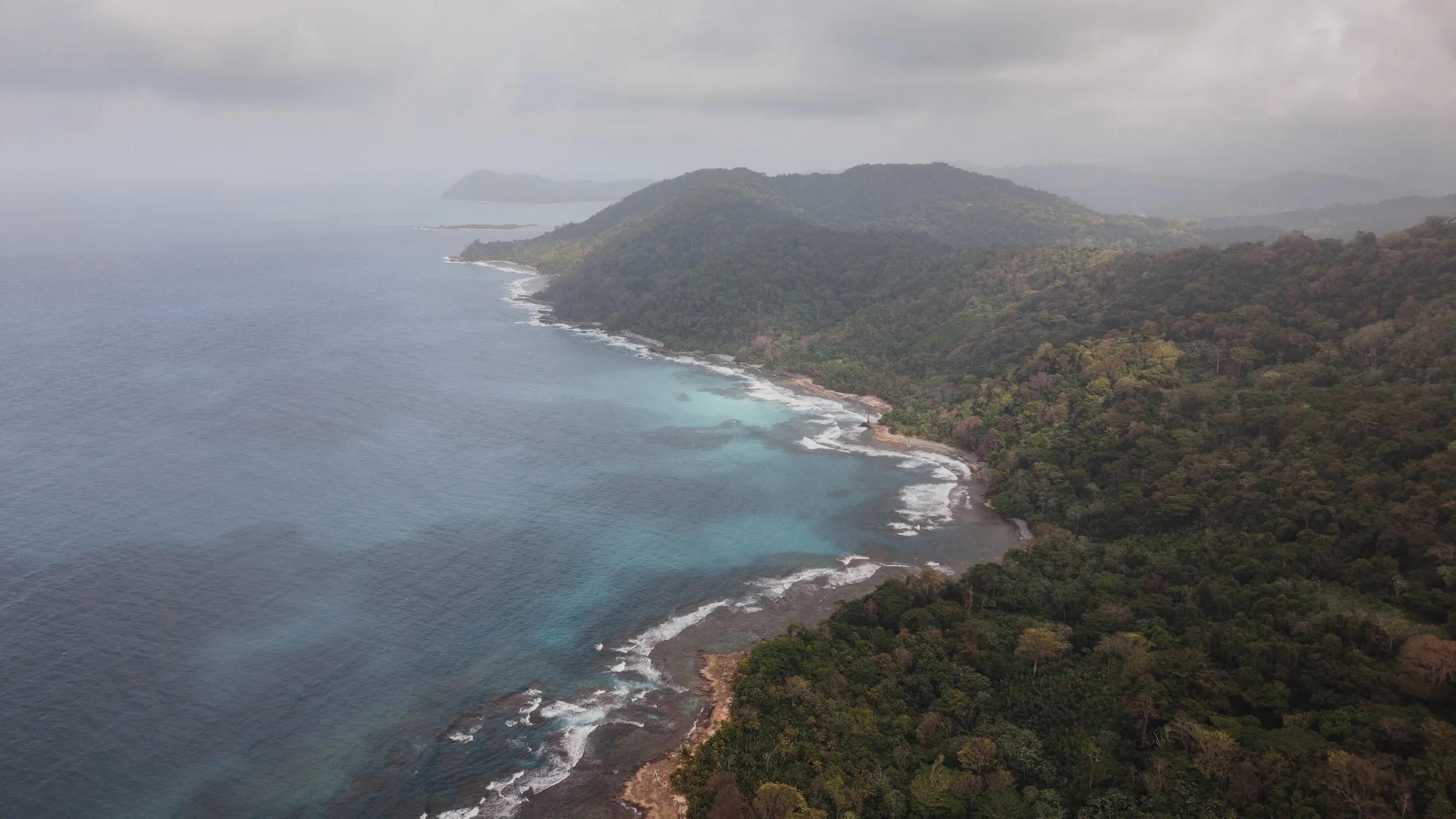
The Darien Gap has been on my radar for over a decade. The dense, roadless jungle stretching between Panama and Colombia represents one of the world's most infamous geographical obstacles—a place so dangerous and lawless that the Pan-American Highway simply stops on either side, leaving a missing link that most travellers opt to simply fly across. When I committed to exploring the length of the Americas, I knew I'd eventually have to find a way around it. Flying always seemed much too boring. And the land route has never appealed to me; it requires a military escort to be anything remotely safe, and I've never been comfortable asking soldiers to put themselves at risk just to support a personal expedition. So I decided to take to the water instead.
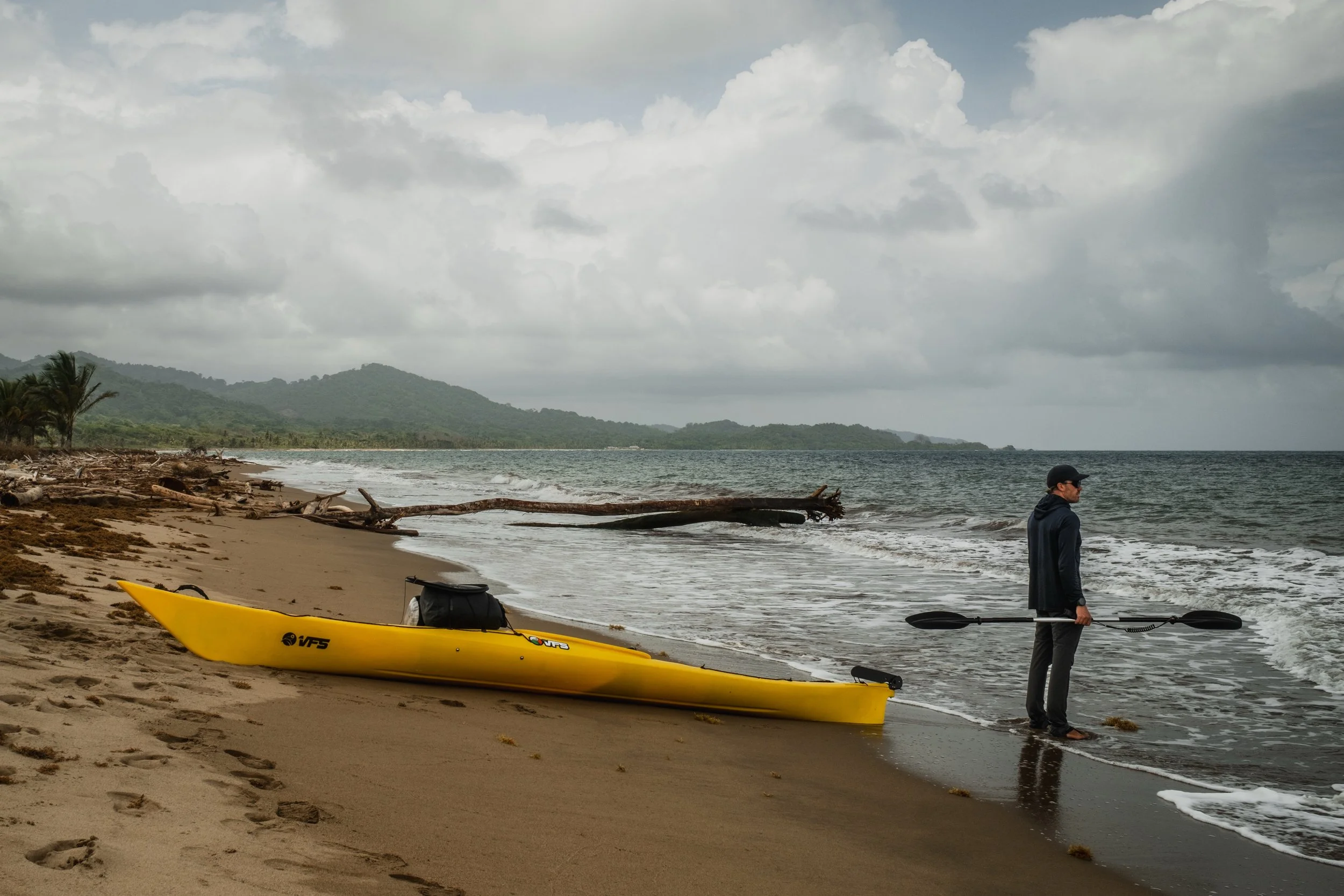
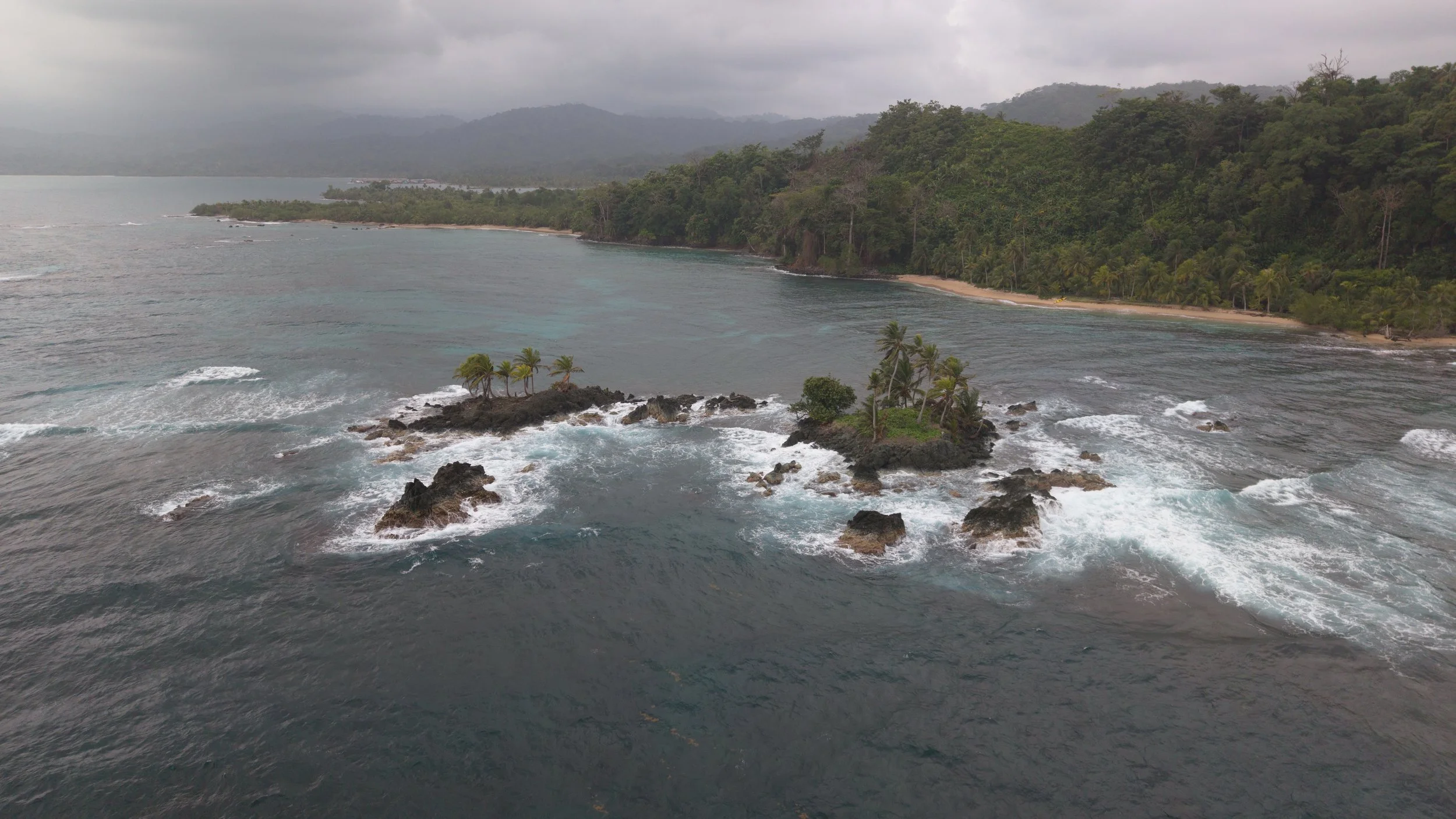
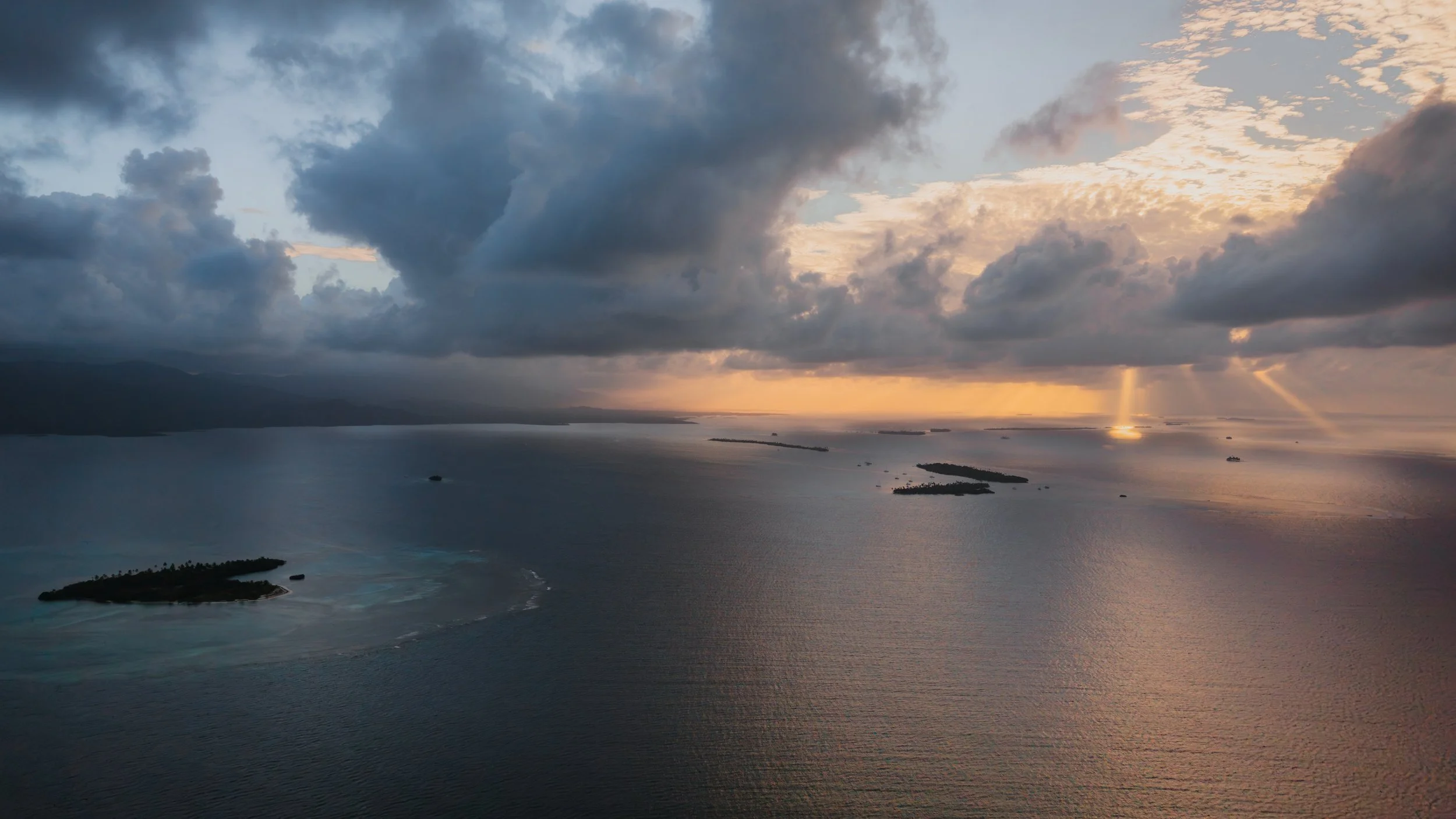
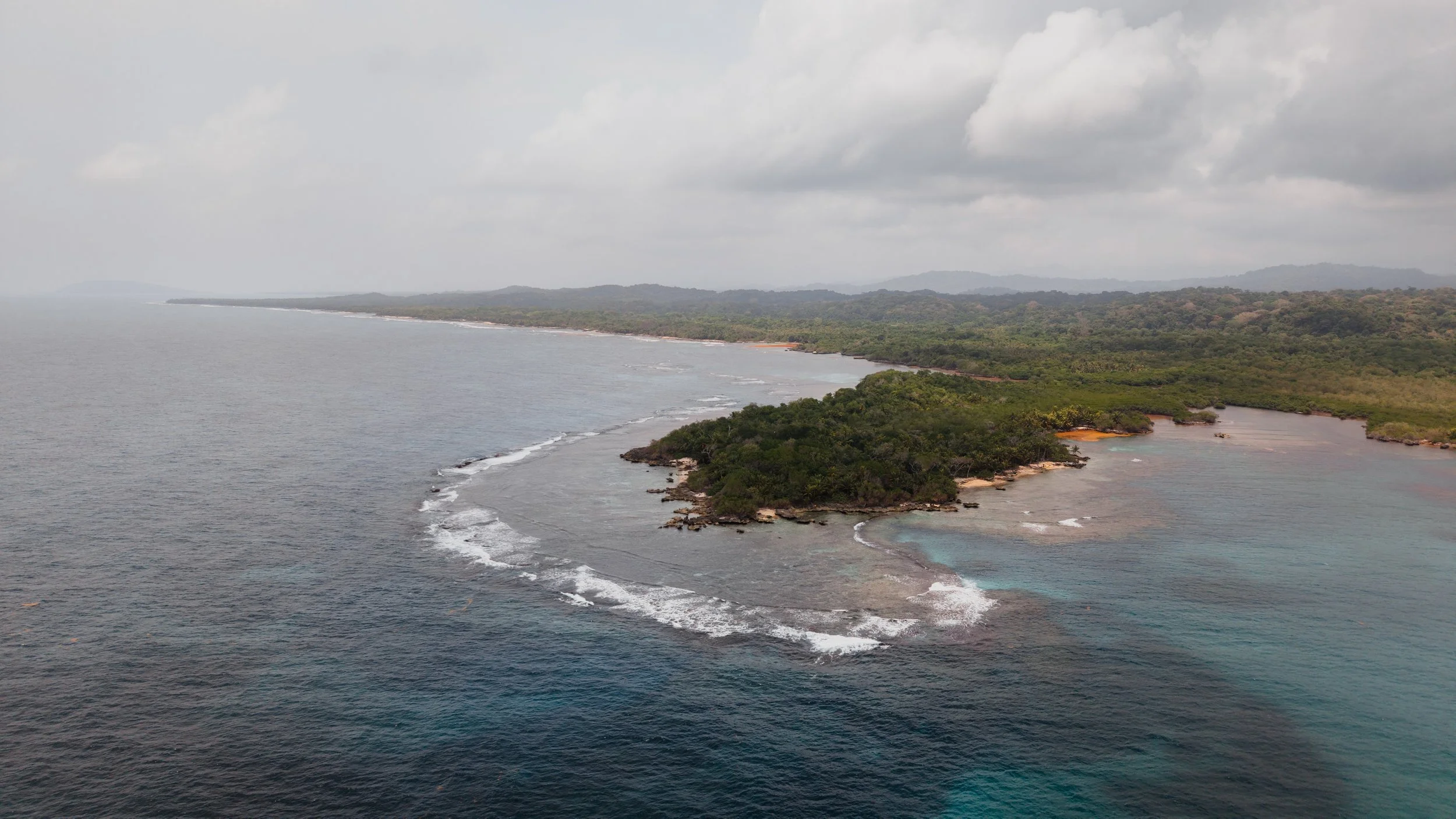
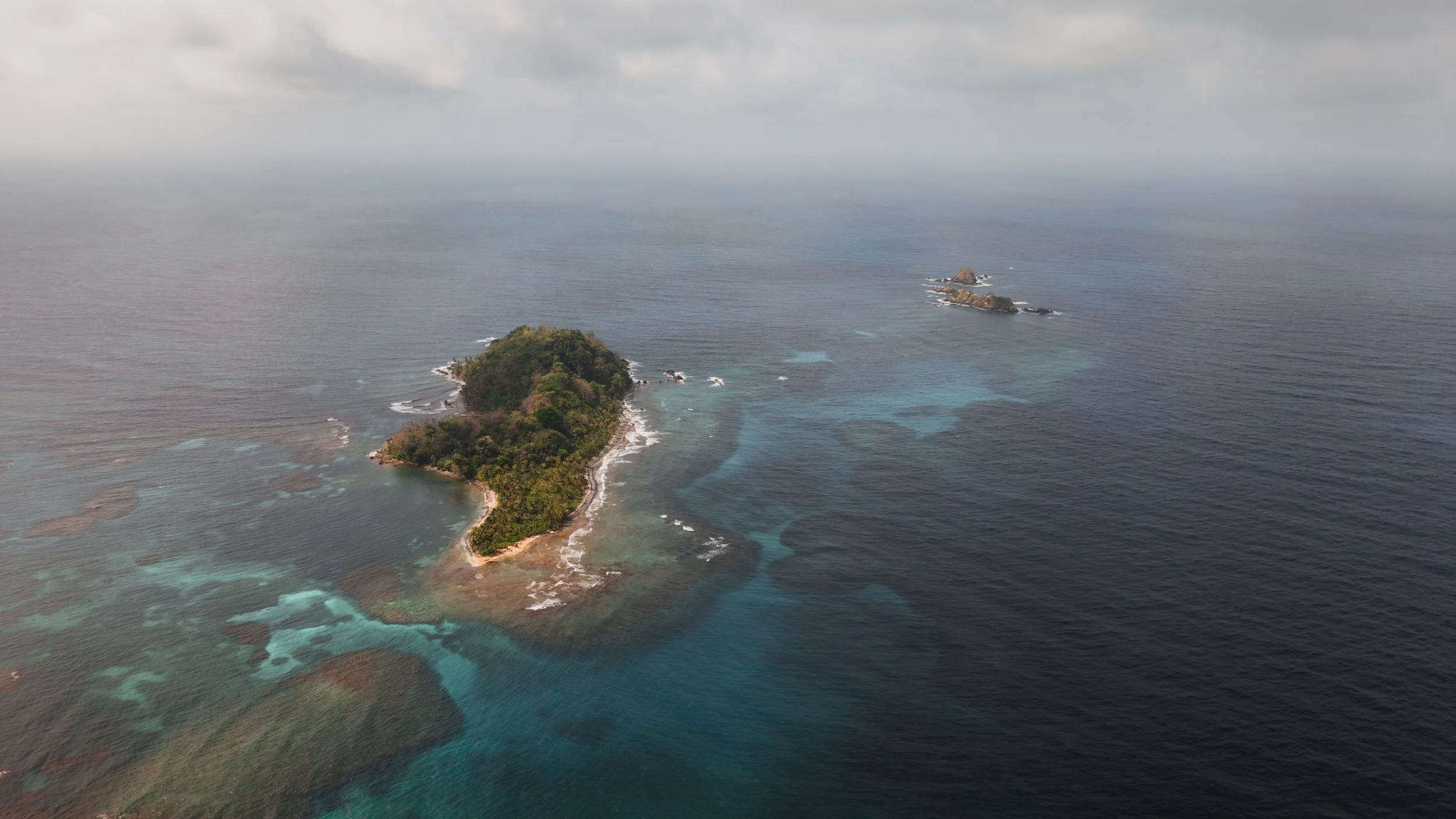
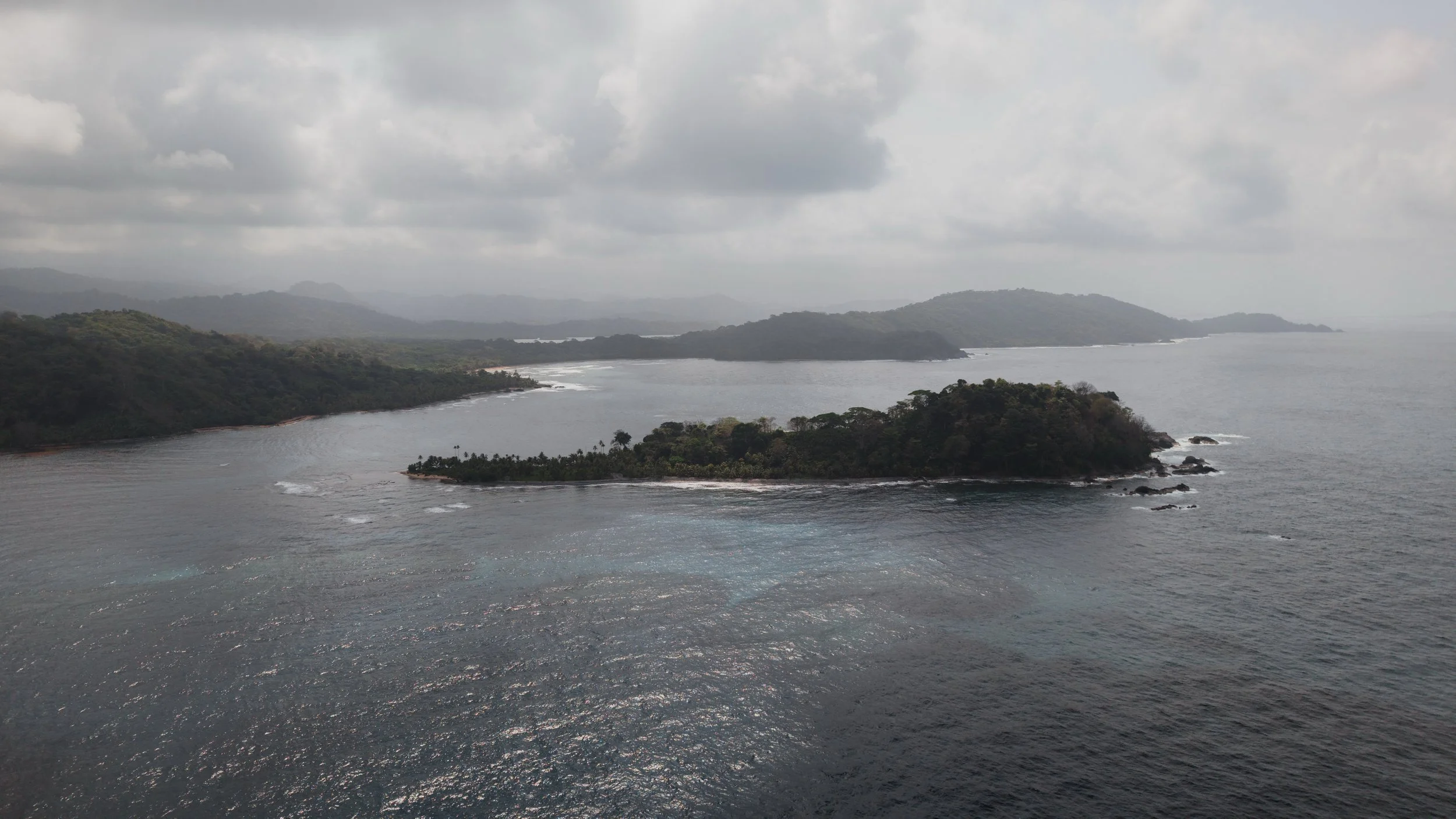
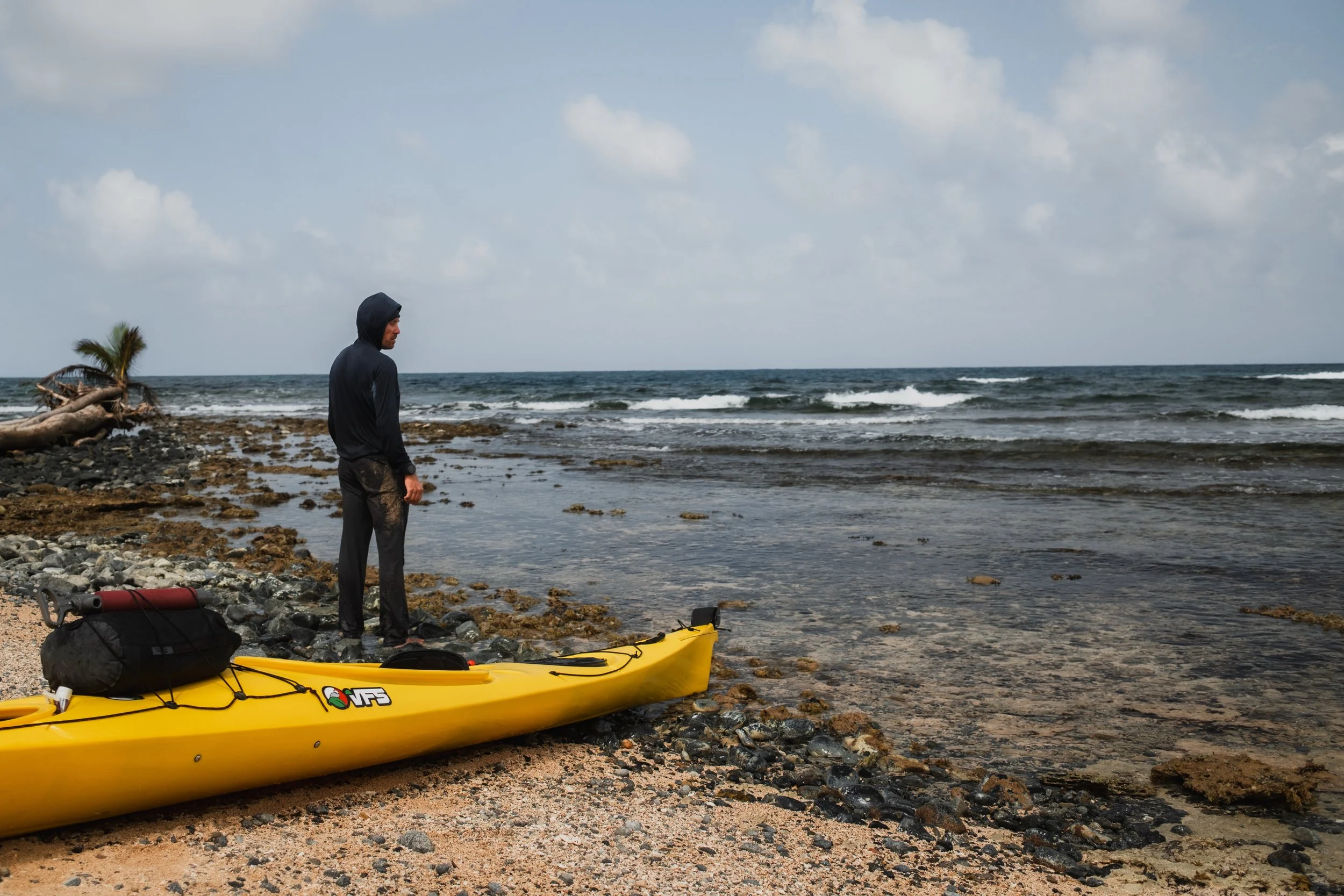
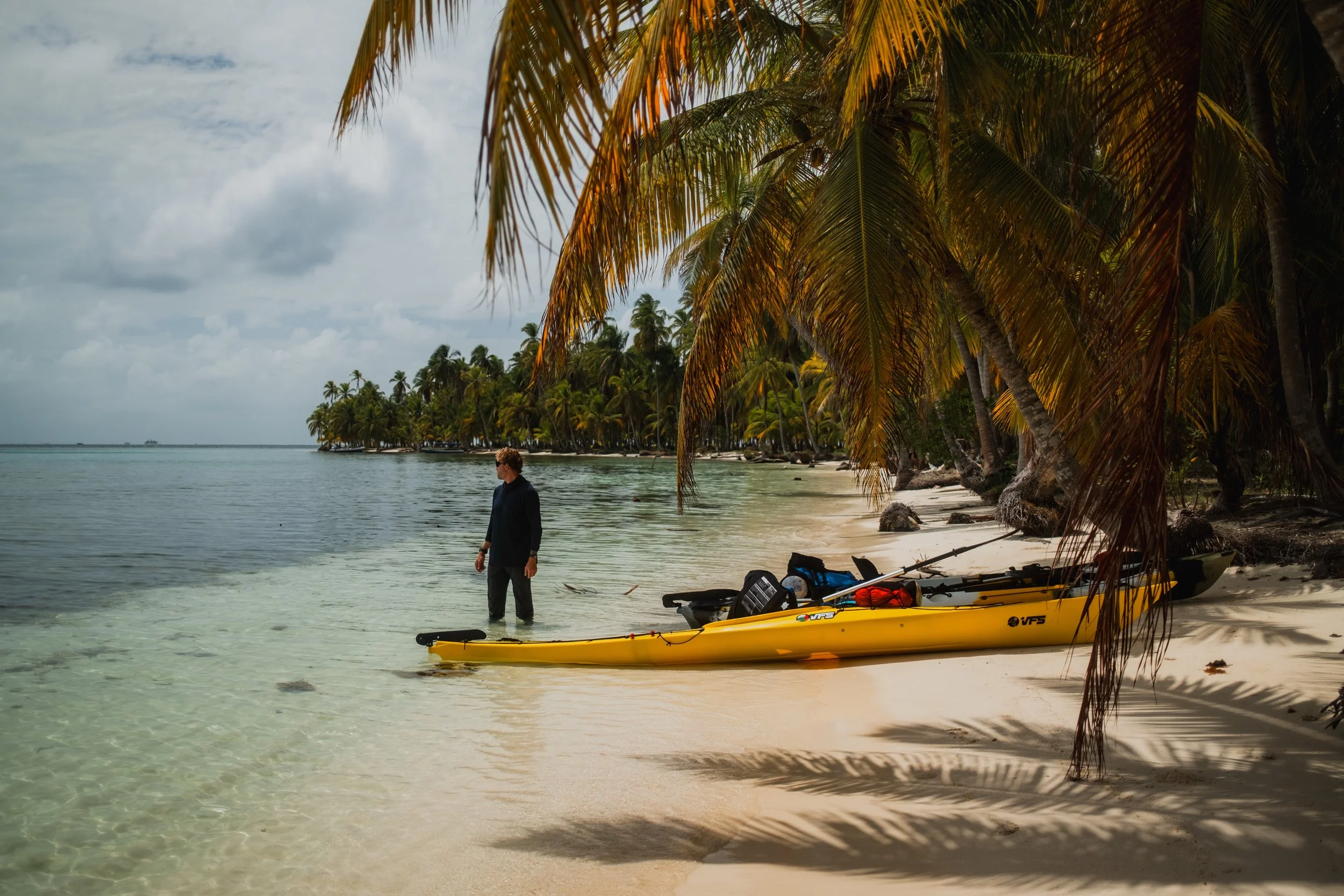
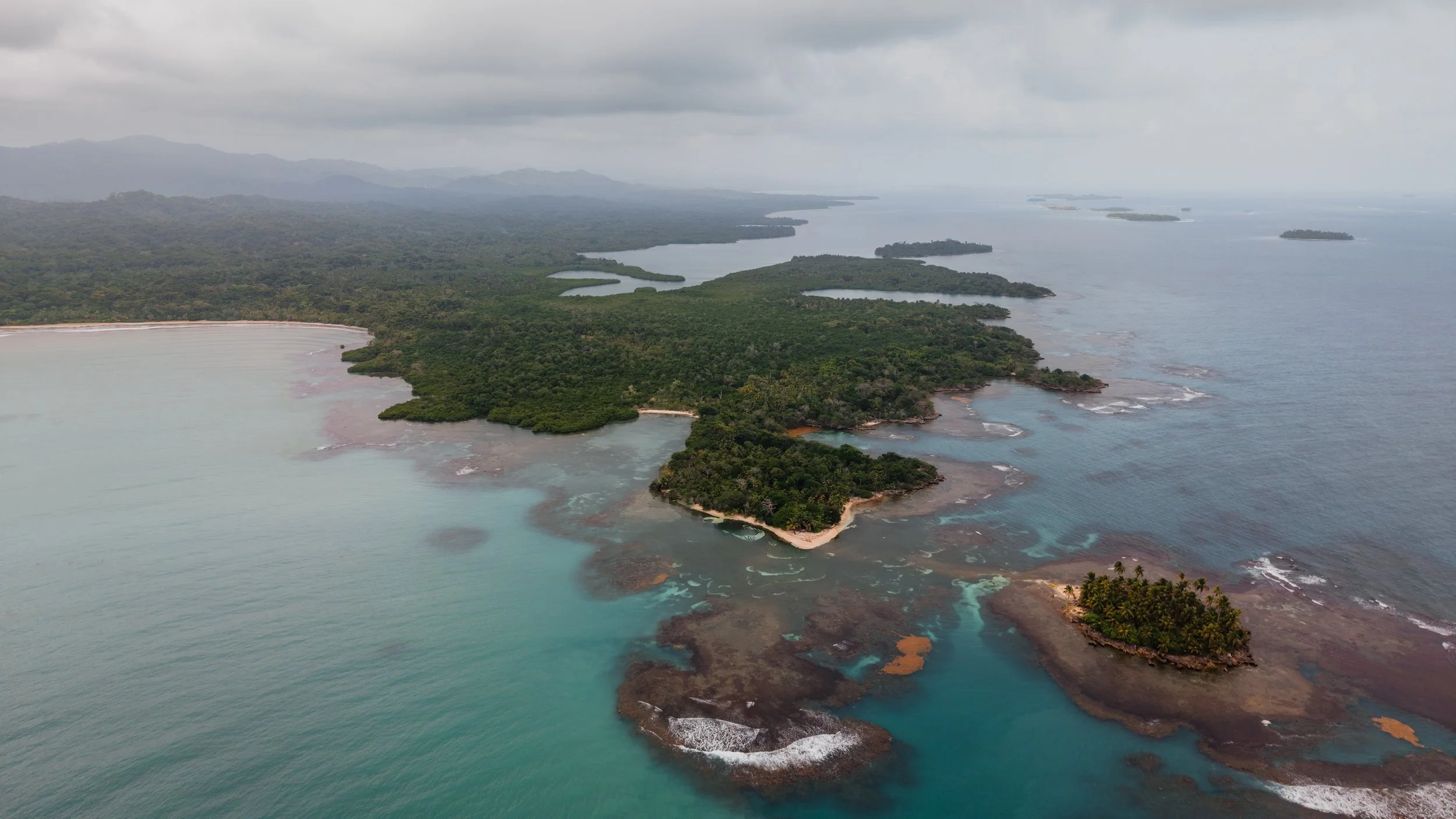
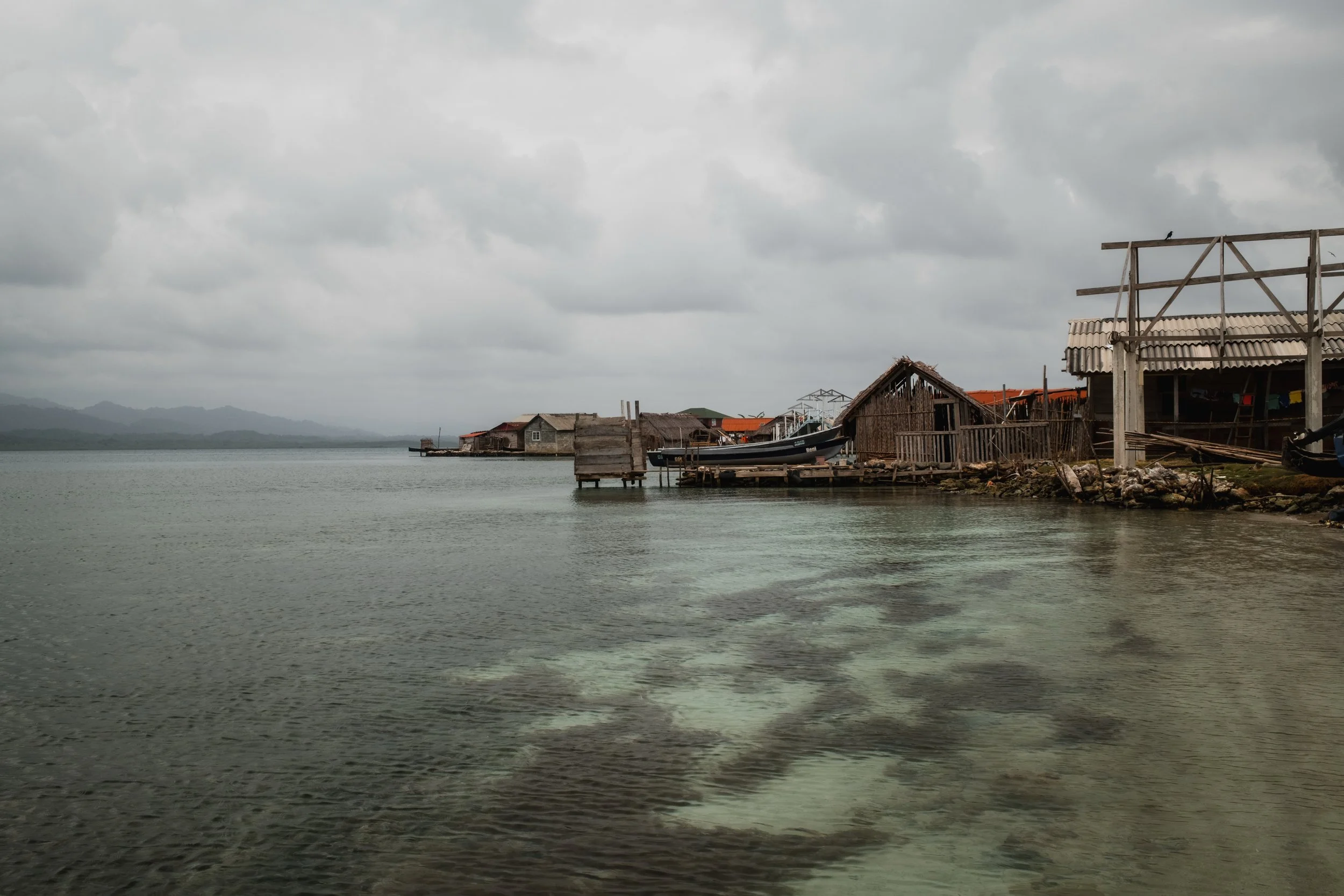
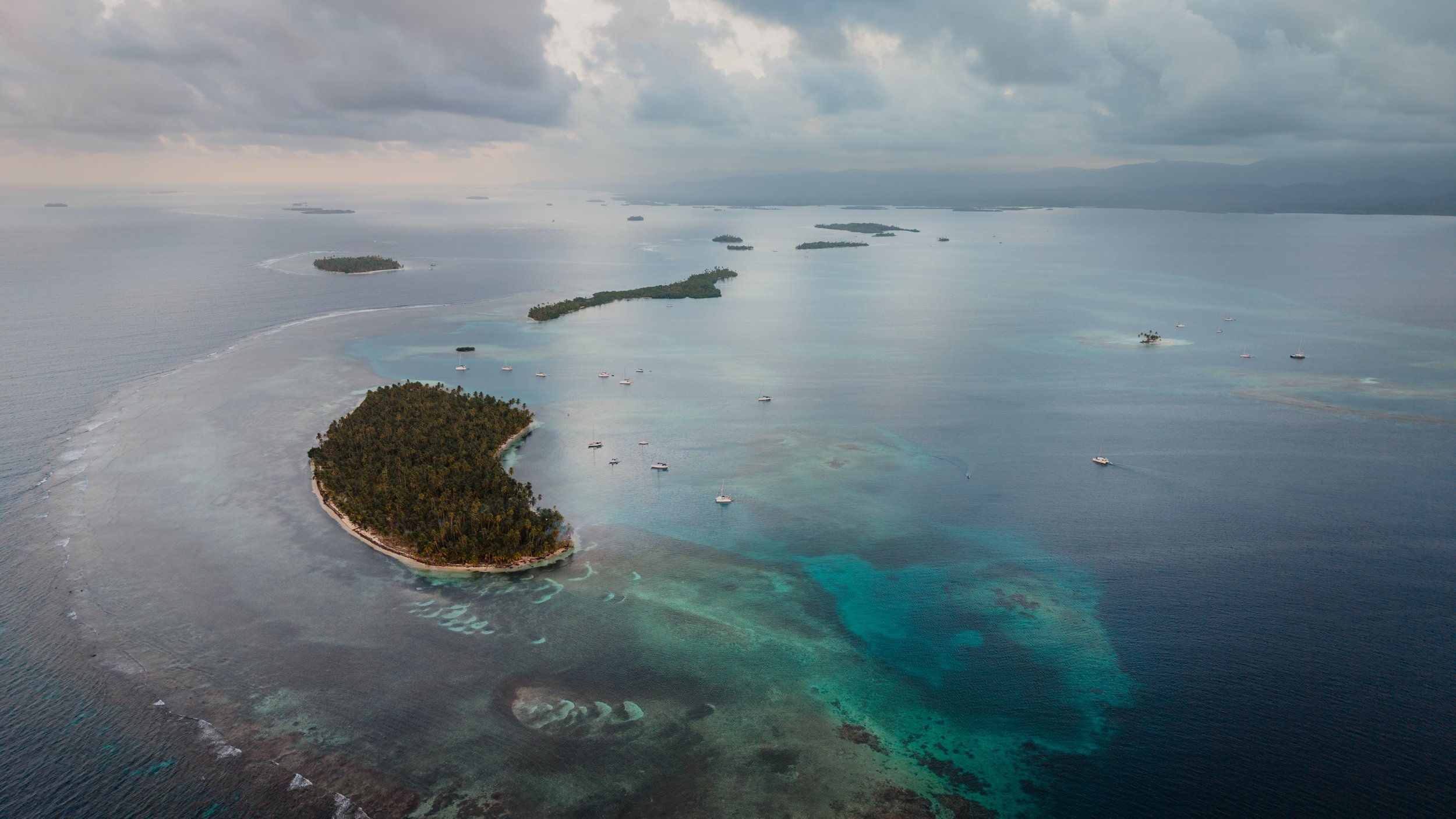
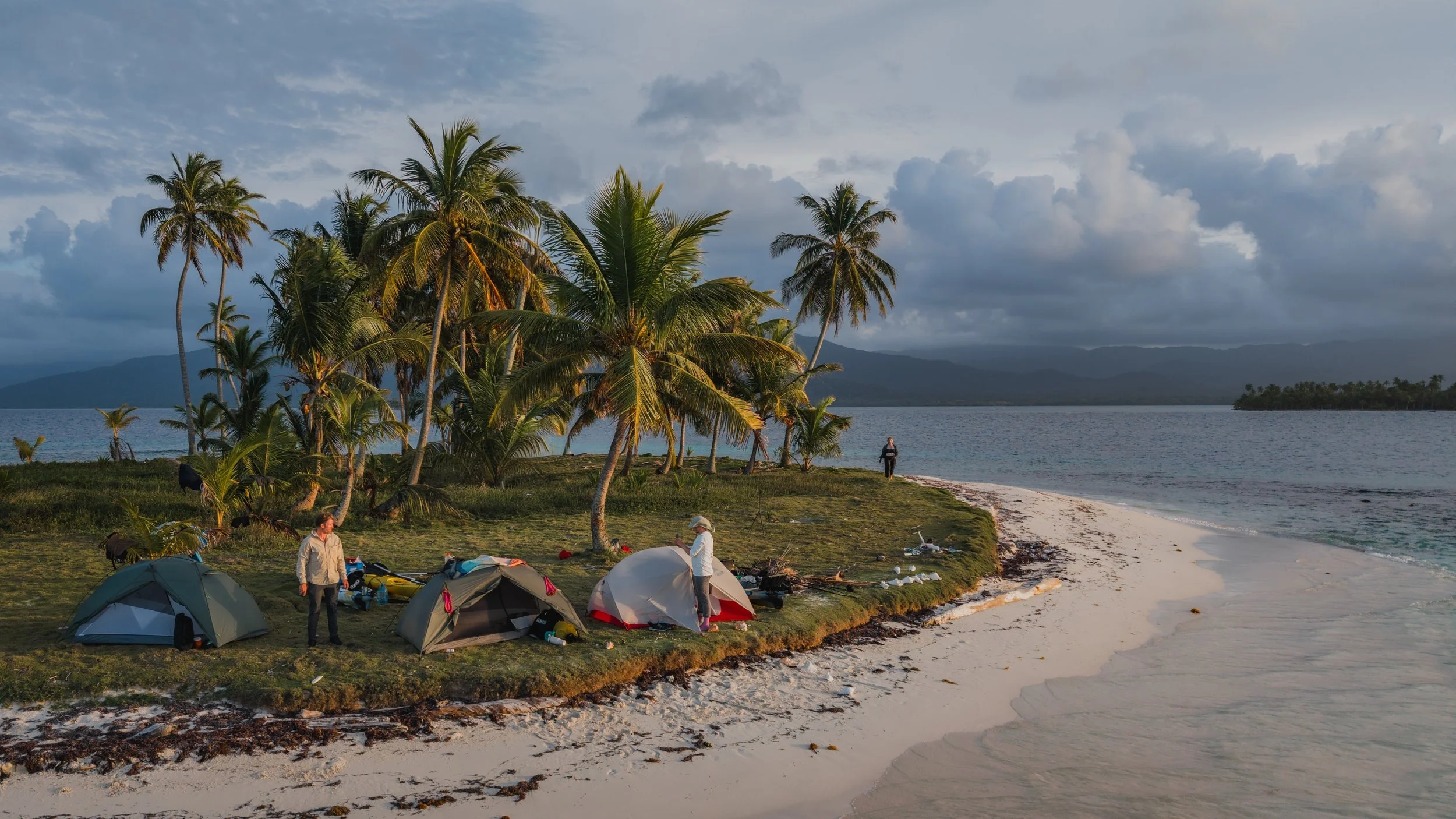
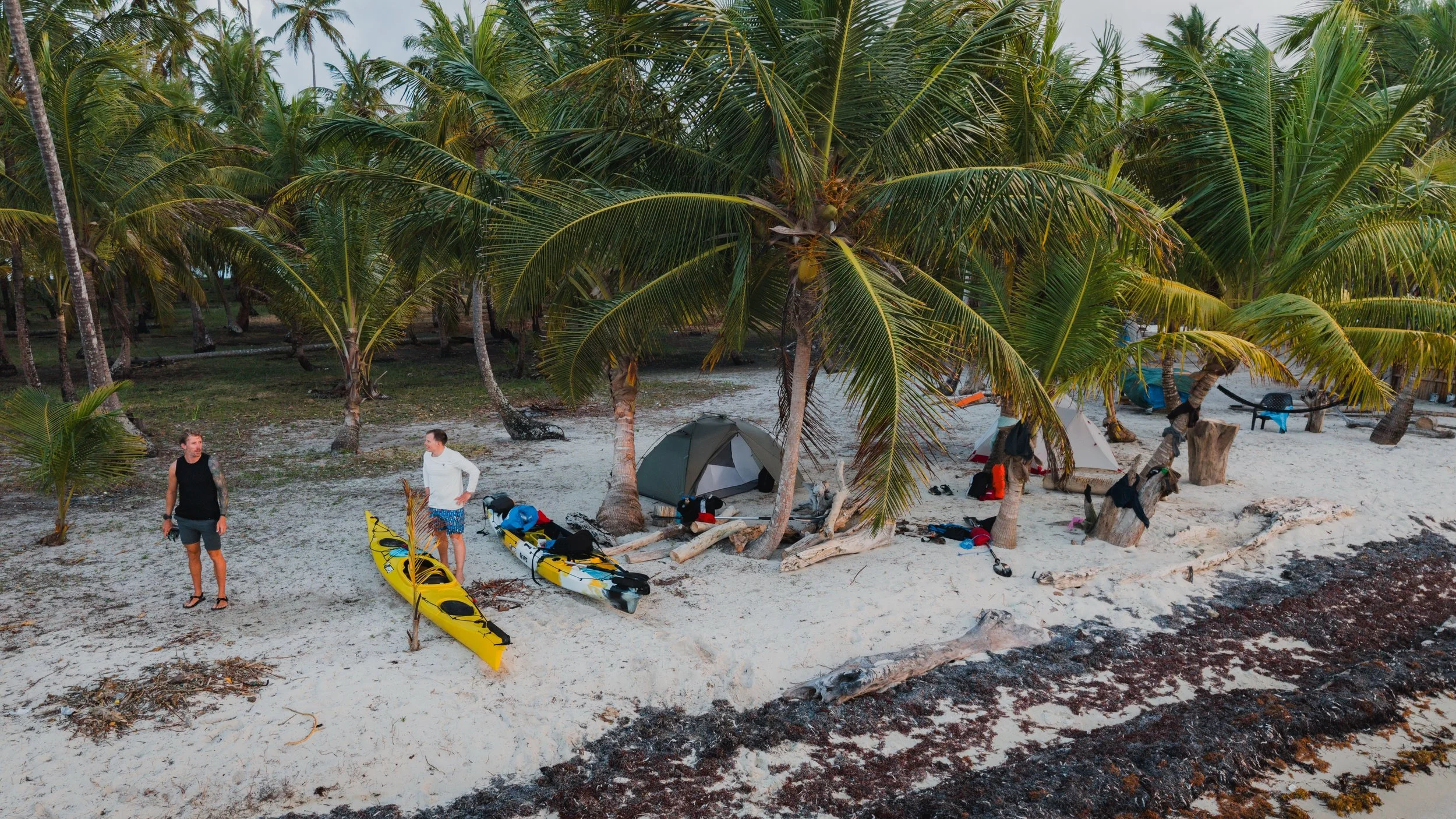
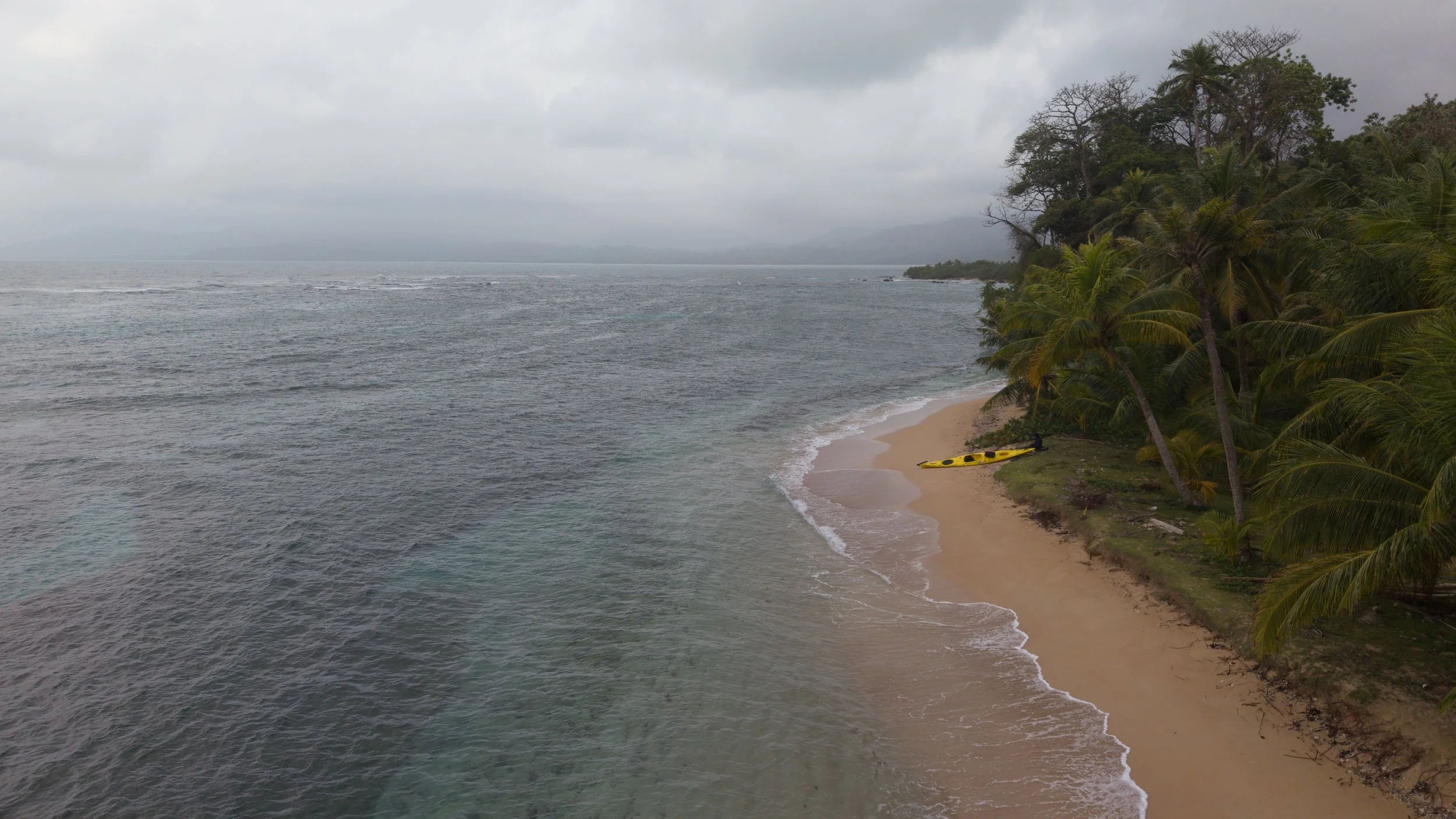
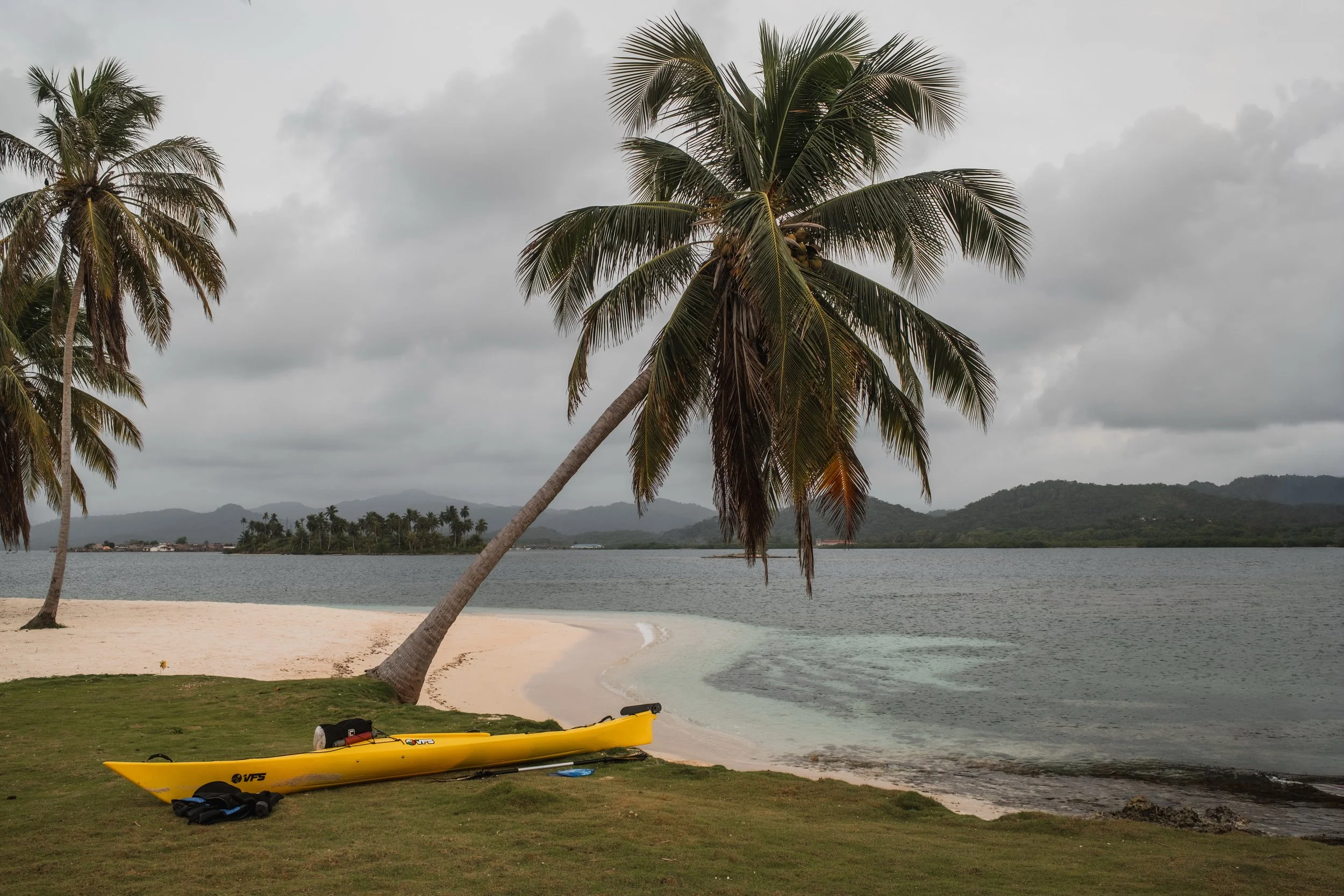
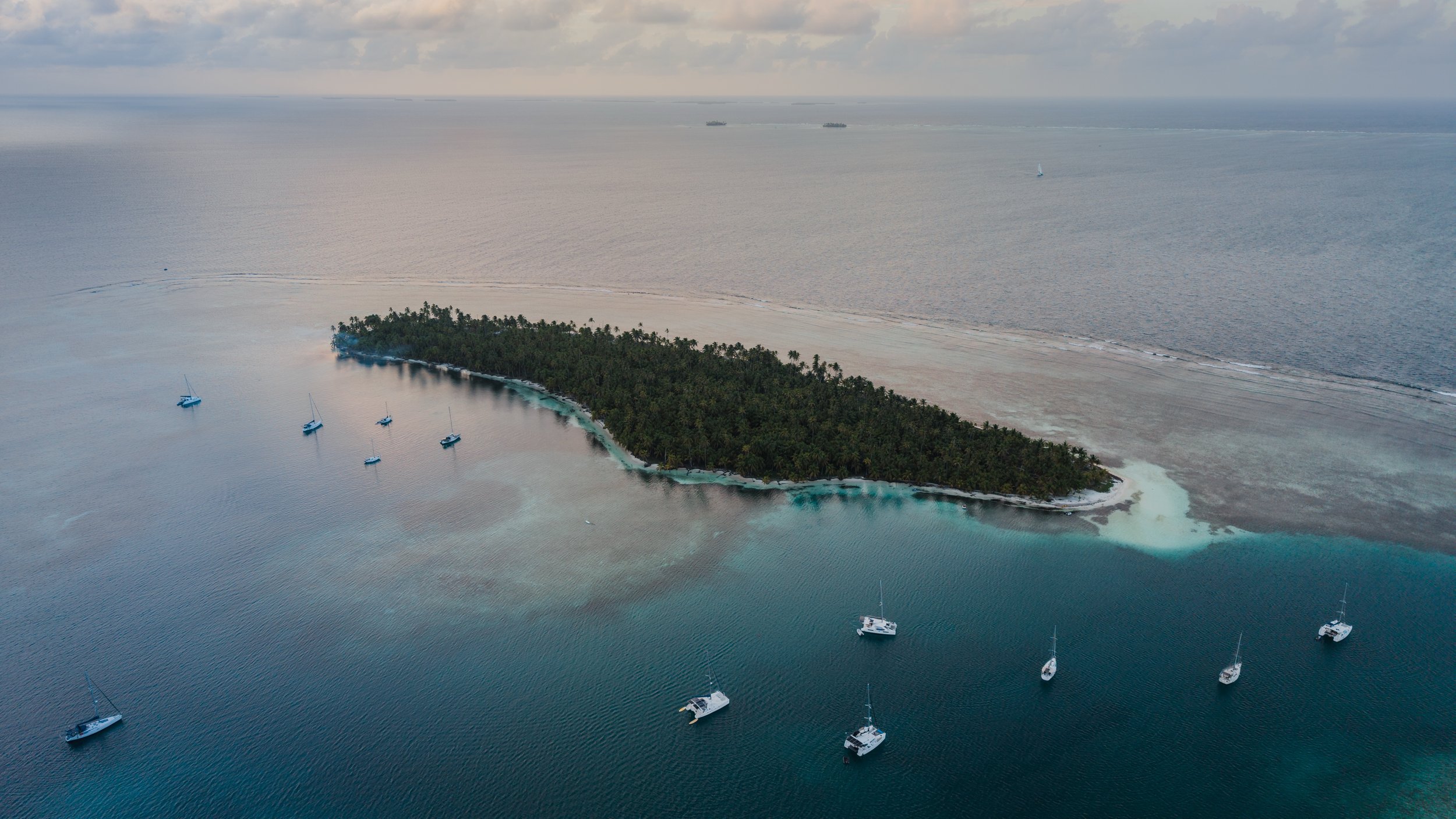
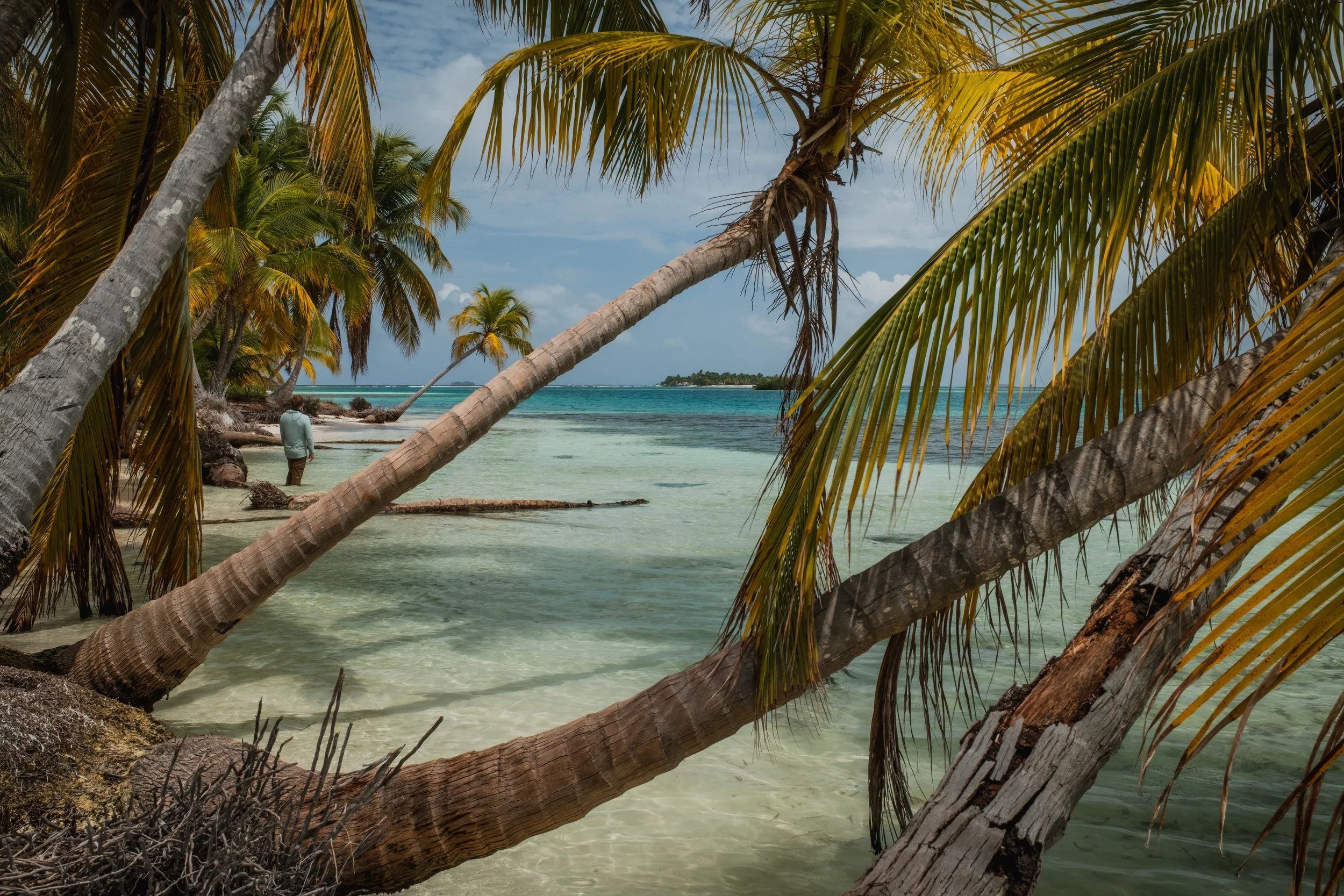
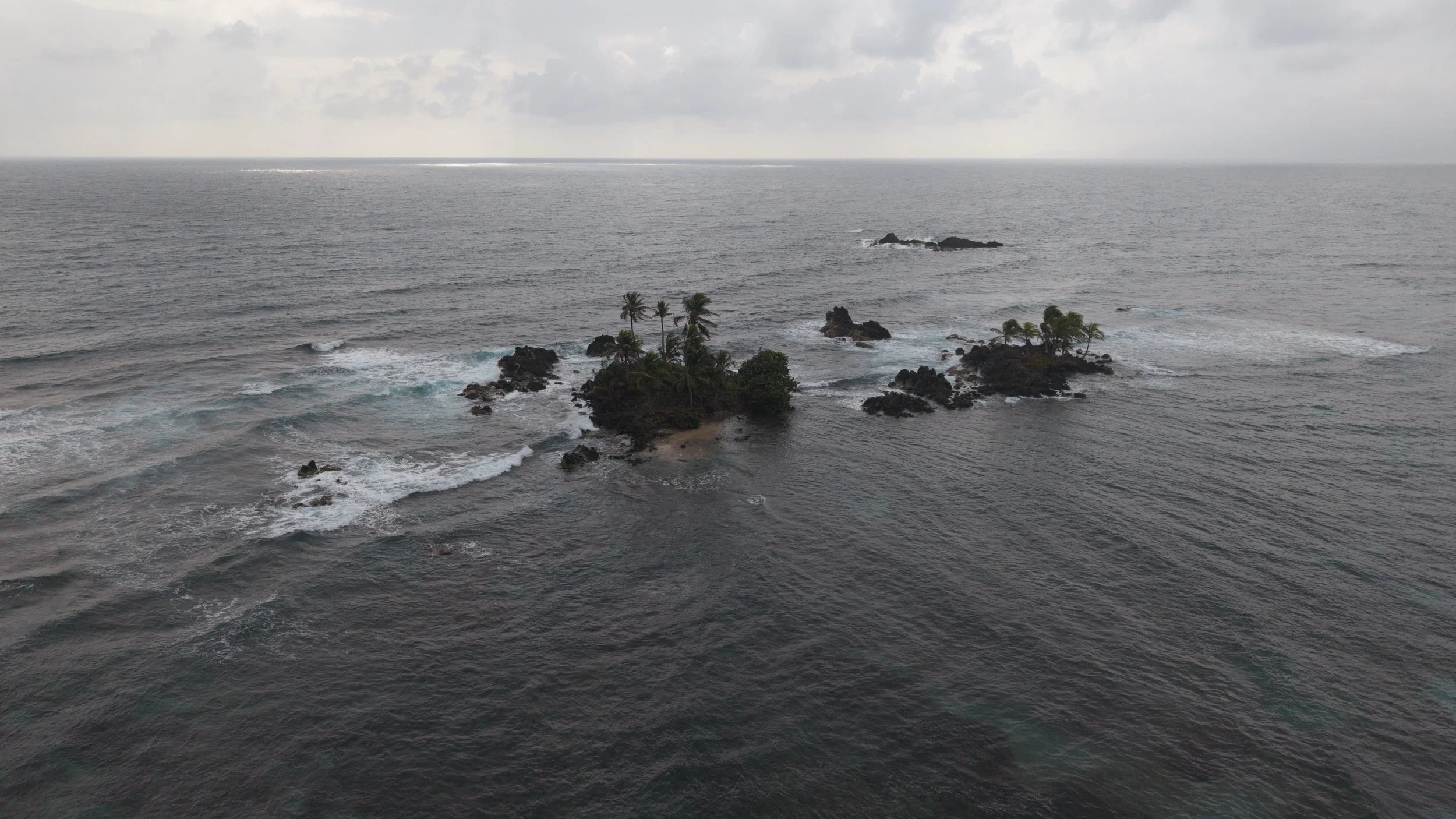
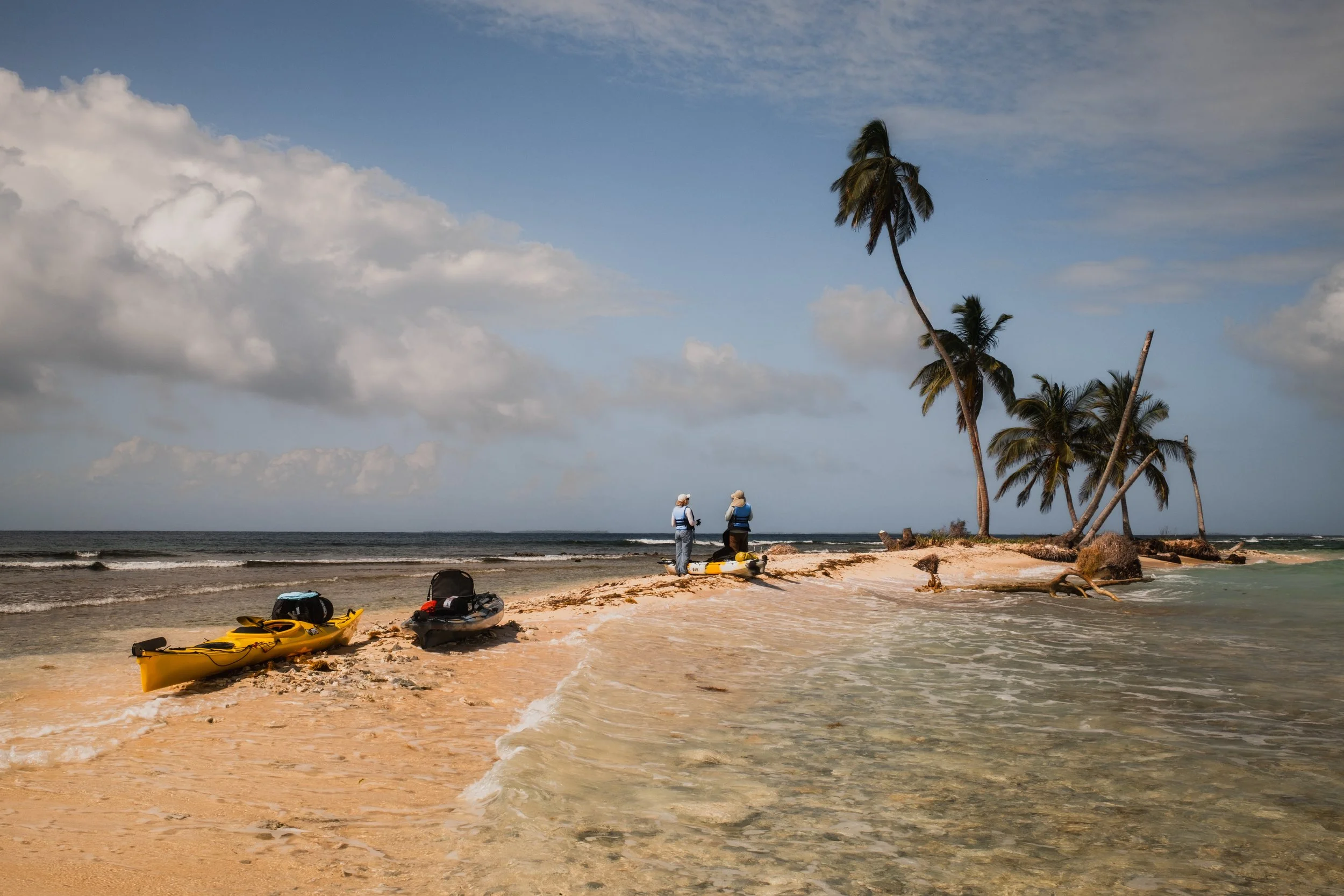
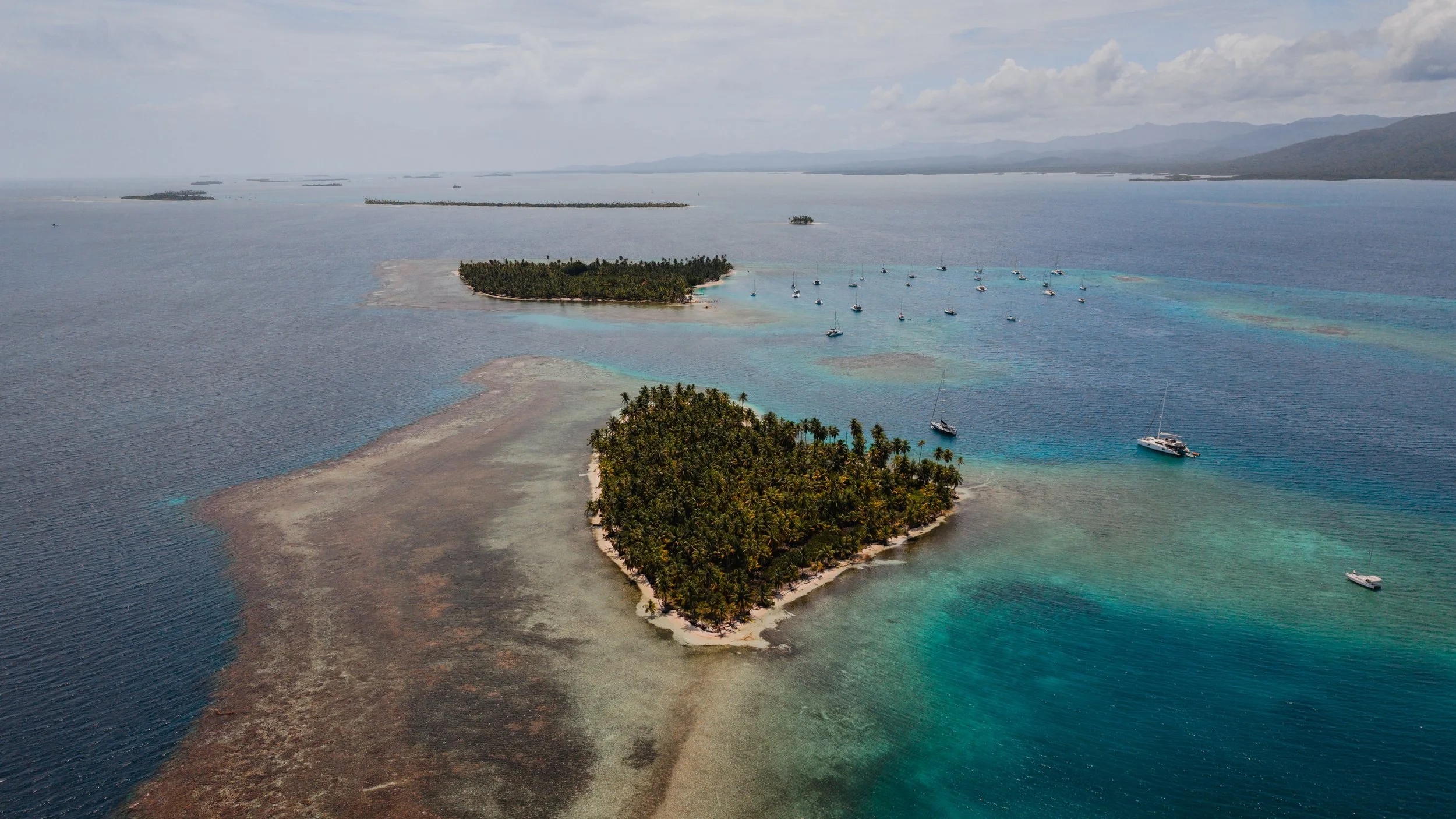
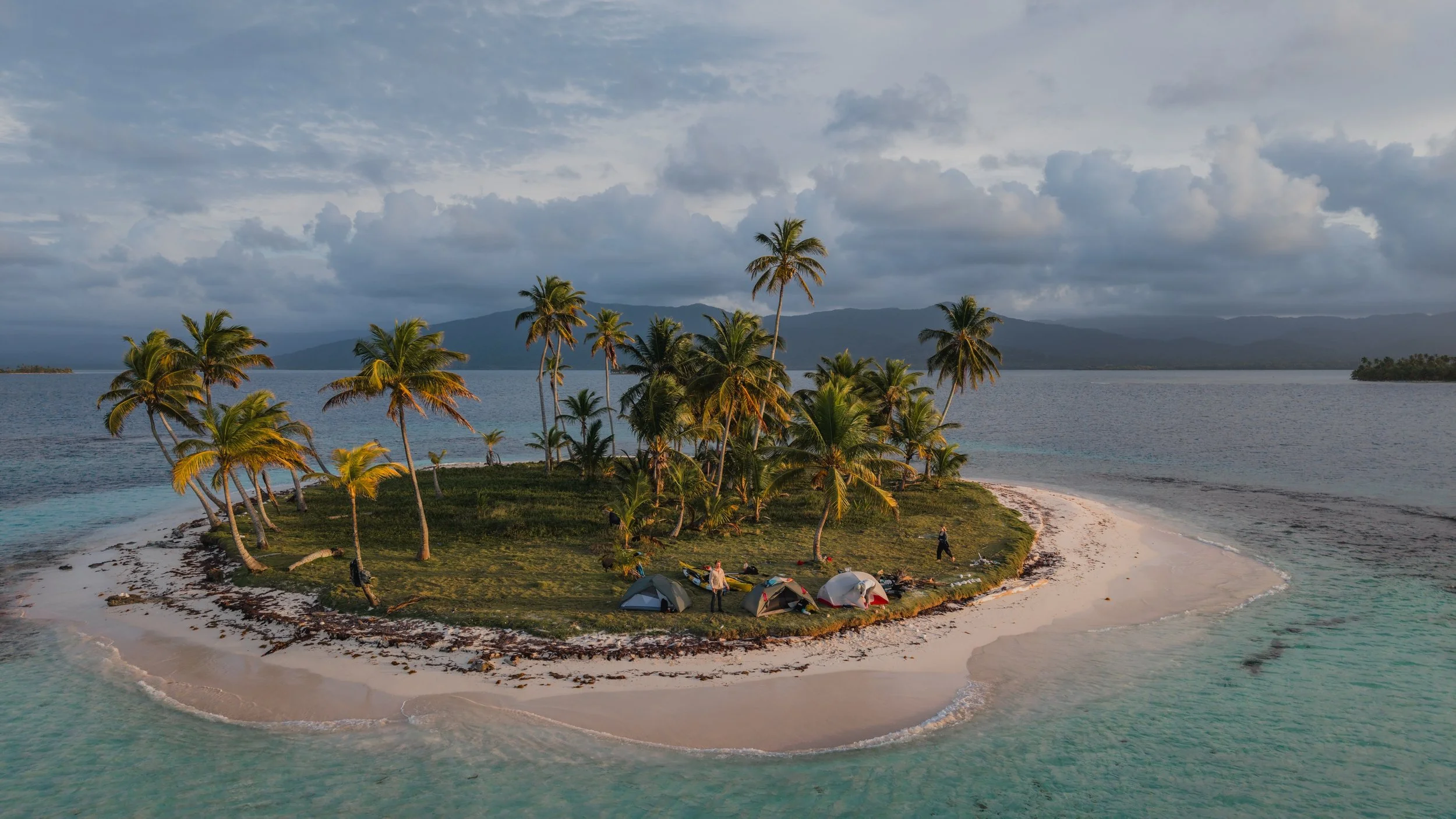
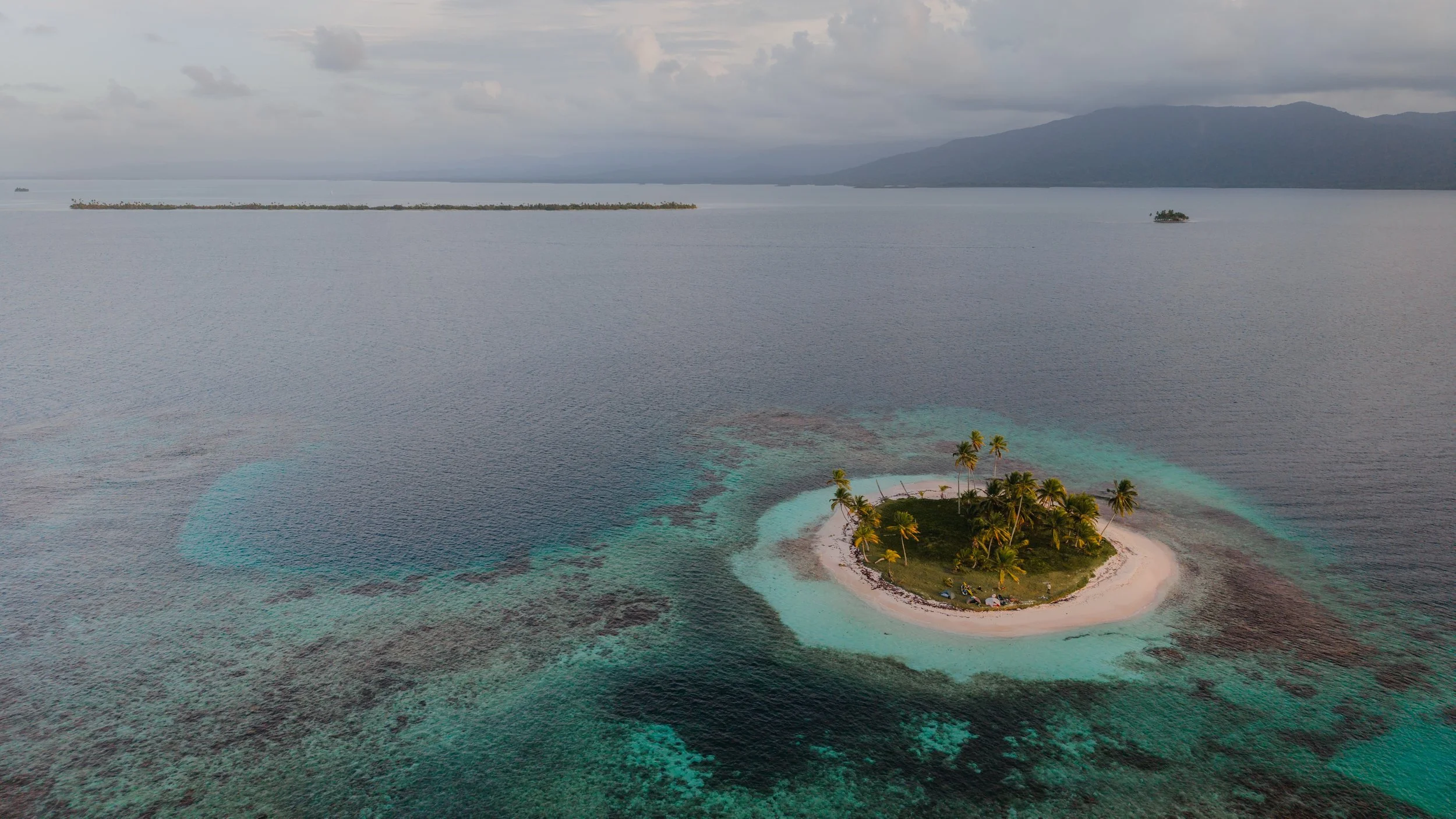
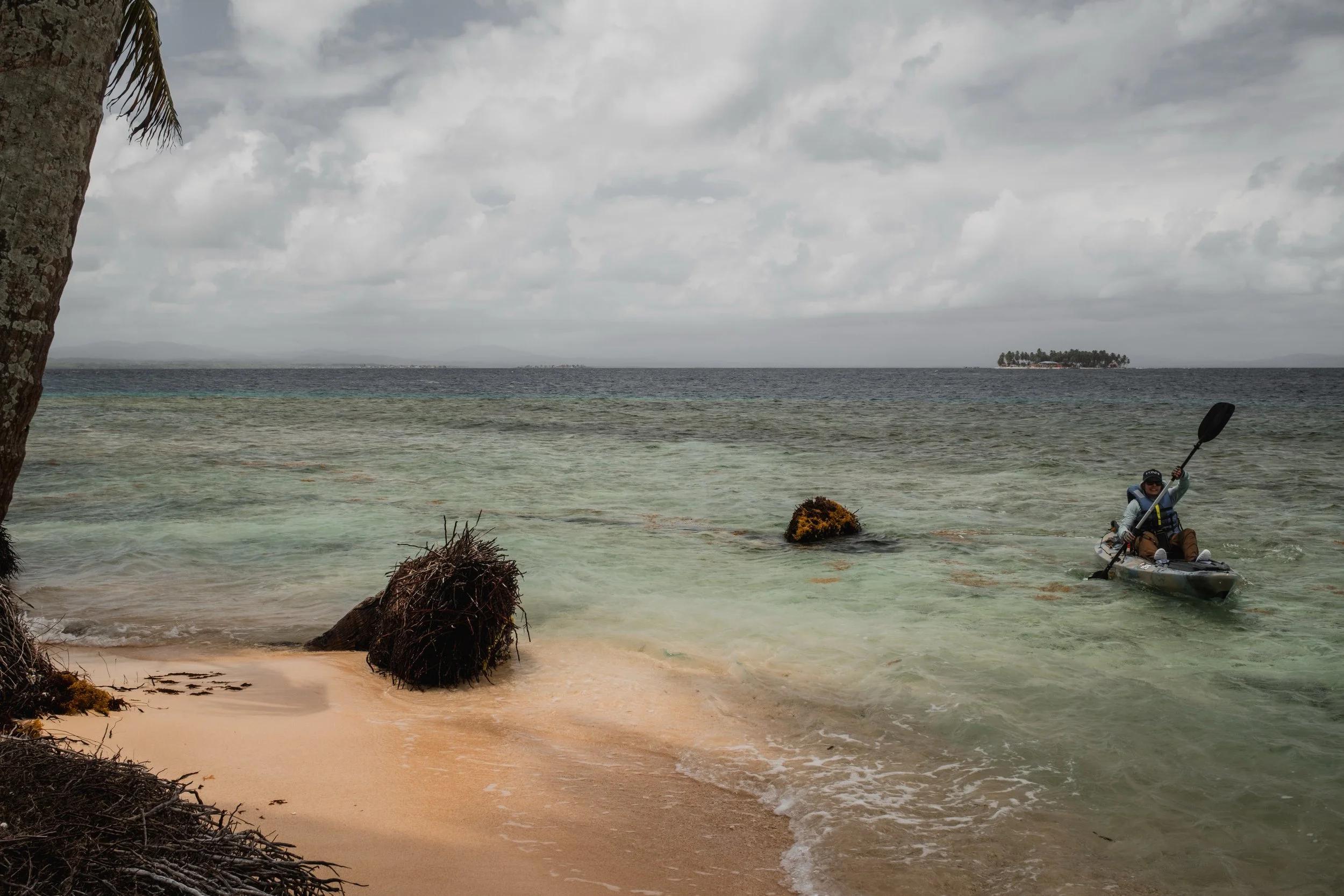
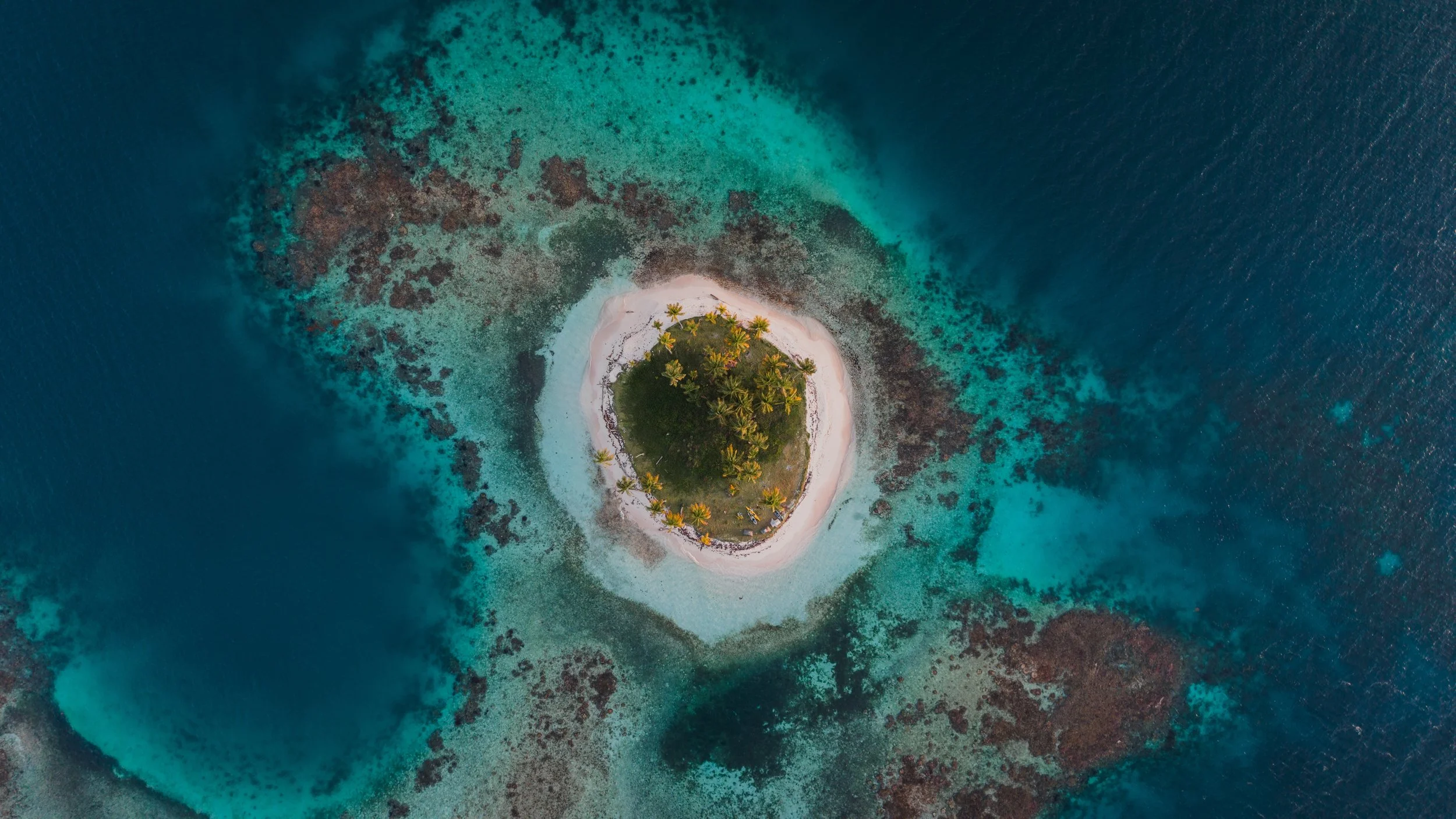
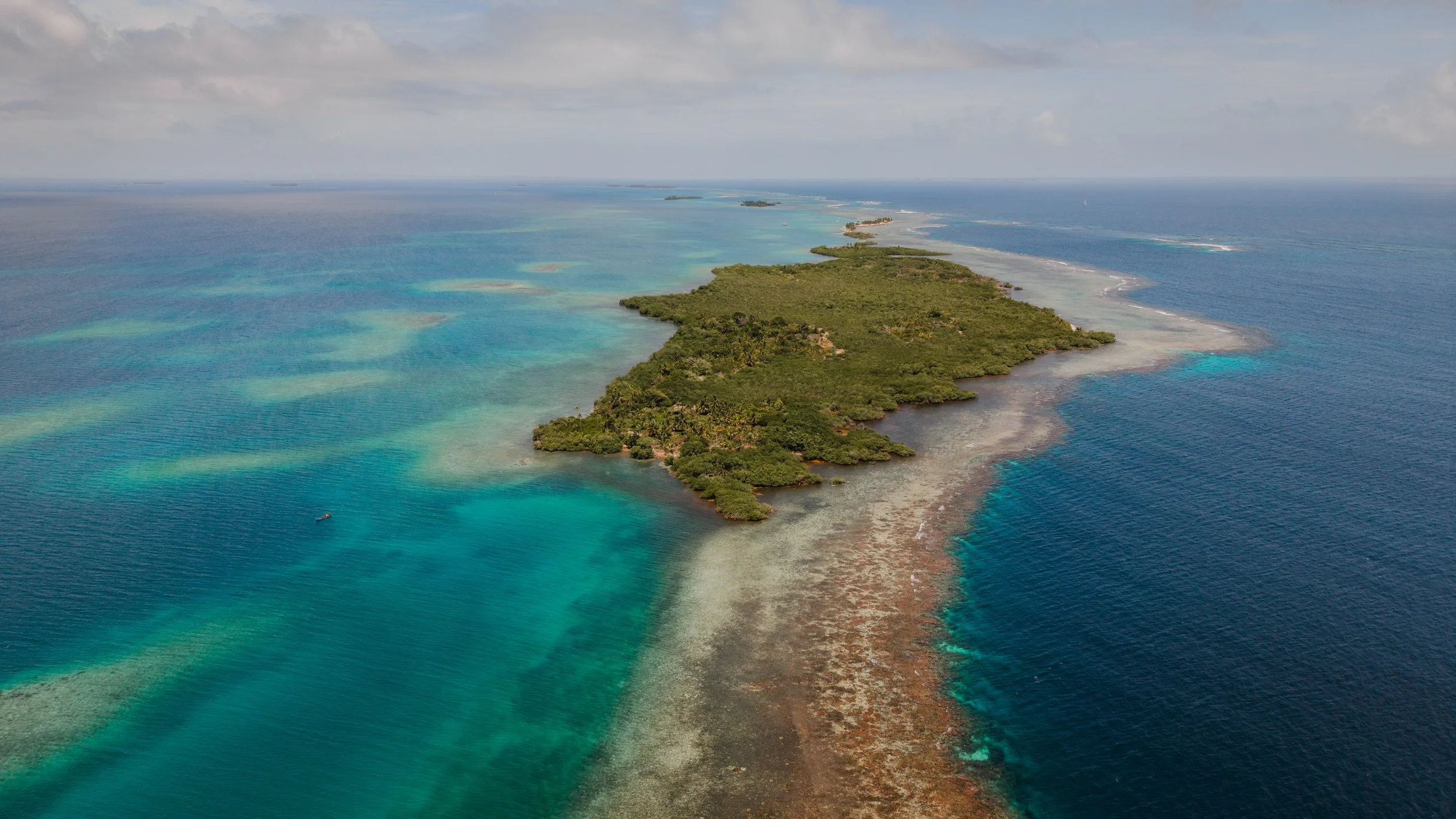
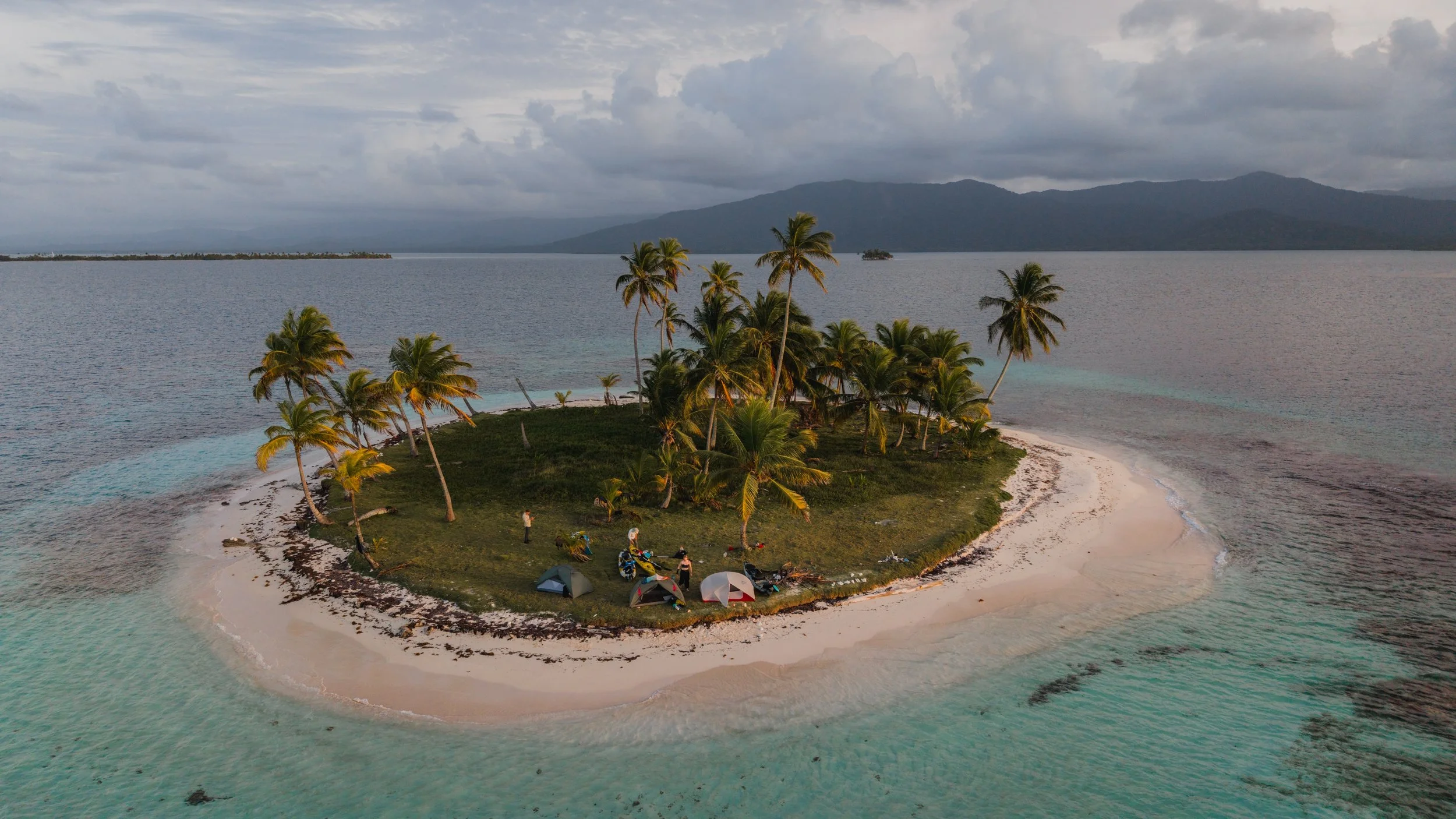
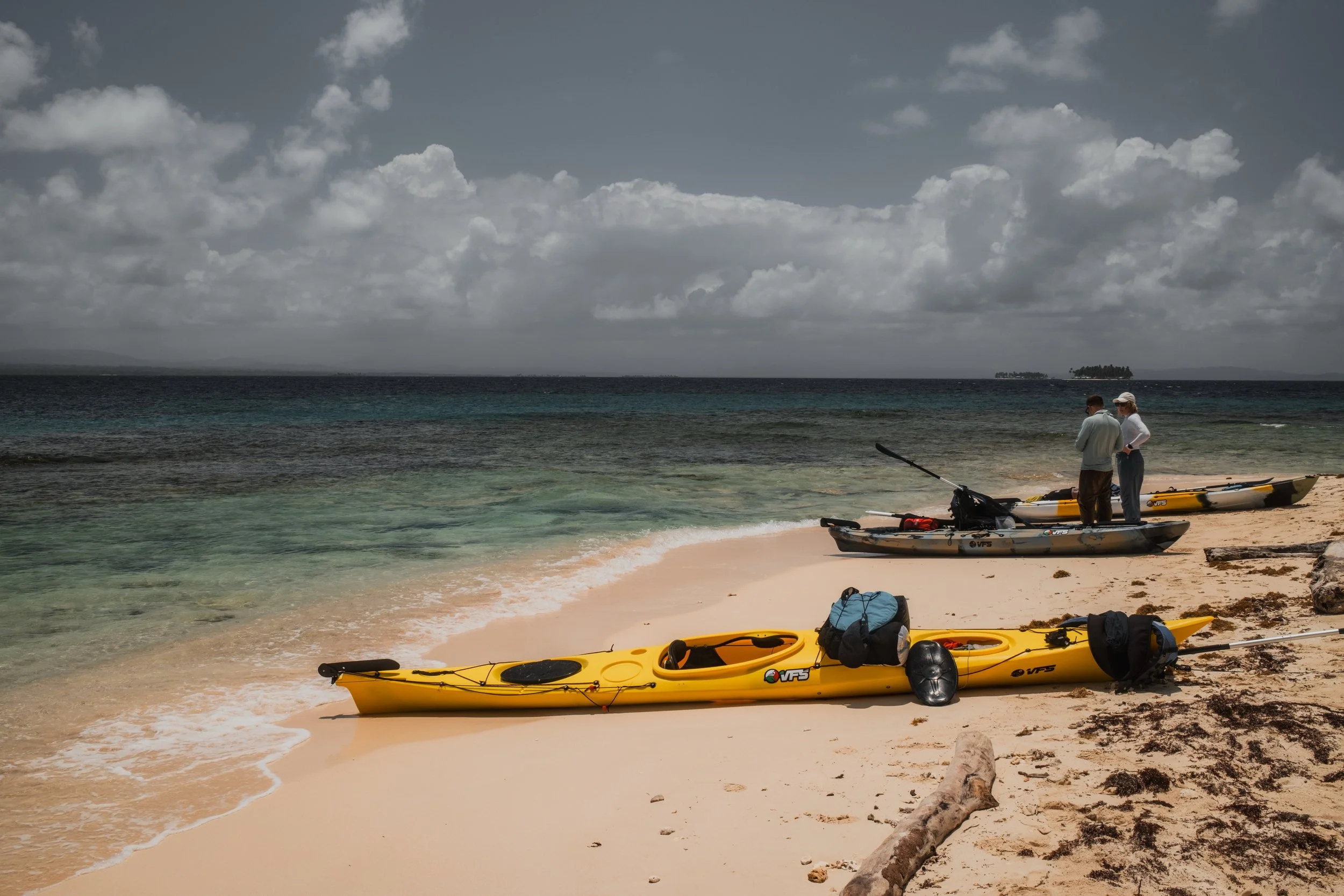
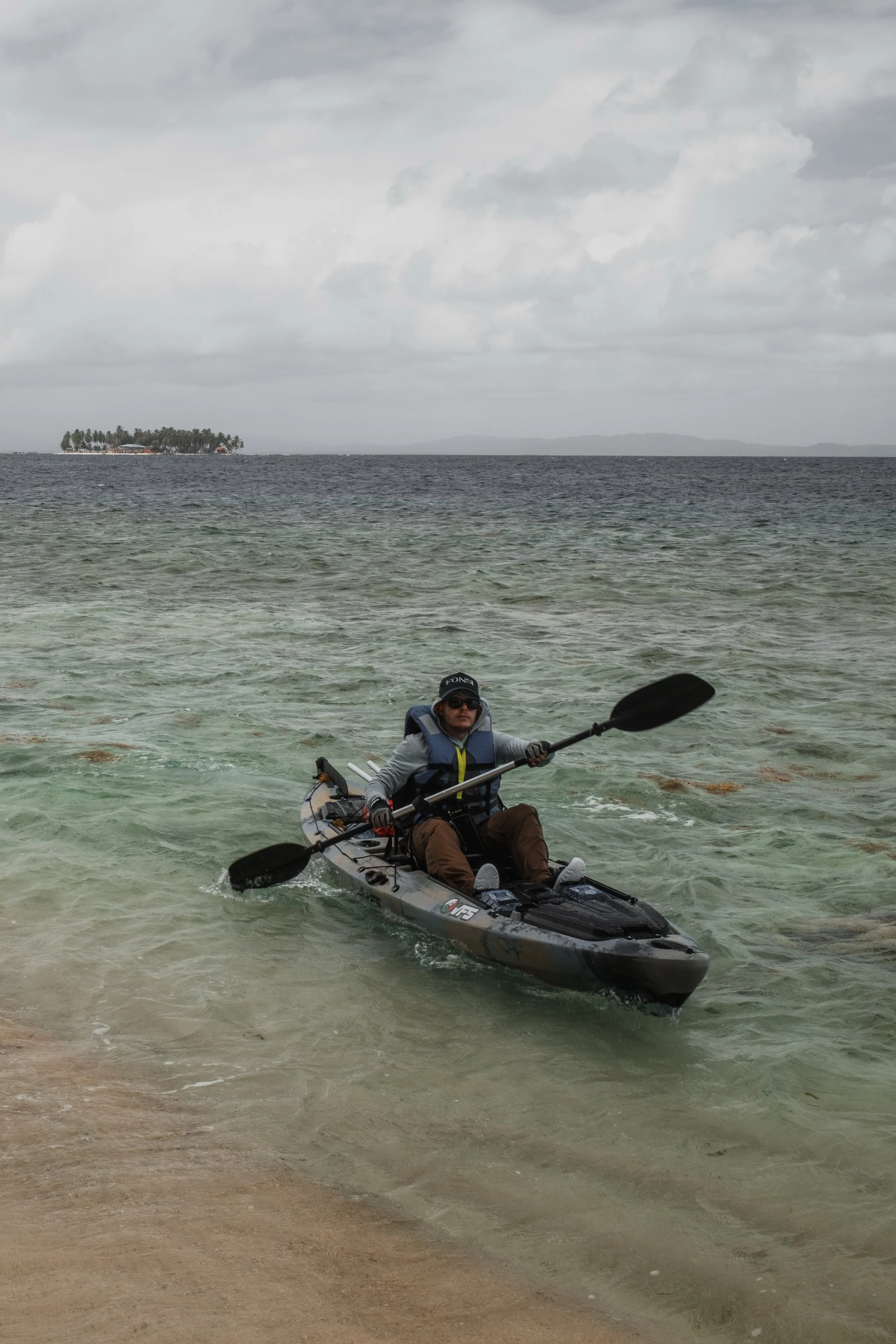
In May, my sister Anna, my mate Ben, and I set out to paddle the wild coastline from Carti to Capurgana—250 kilometres of open ocean kayaking through the stunning but isolated San Blas islands, known locally as the Guna Yala. I carried enough food for the full two weeks in my kayak, along with 15-20 litres of water at a time, which meant I could remain largely self-sufficient and push through extended stretches without needing to resupply.
On paper, it sounded like an achievable challenge. In reality, things escalated far beyond what I'd anticipated. The Caribbean weather had other plans, and what unfolded was perhaps the most brutal expedition I've experienced in a decade of global adventure travel.
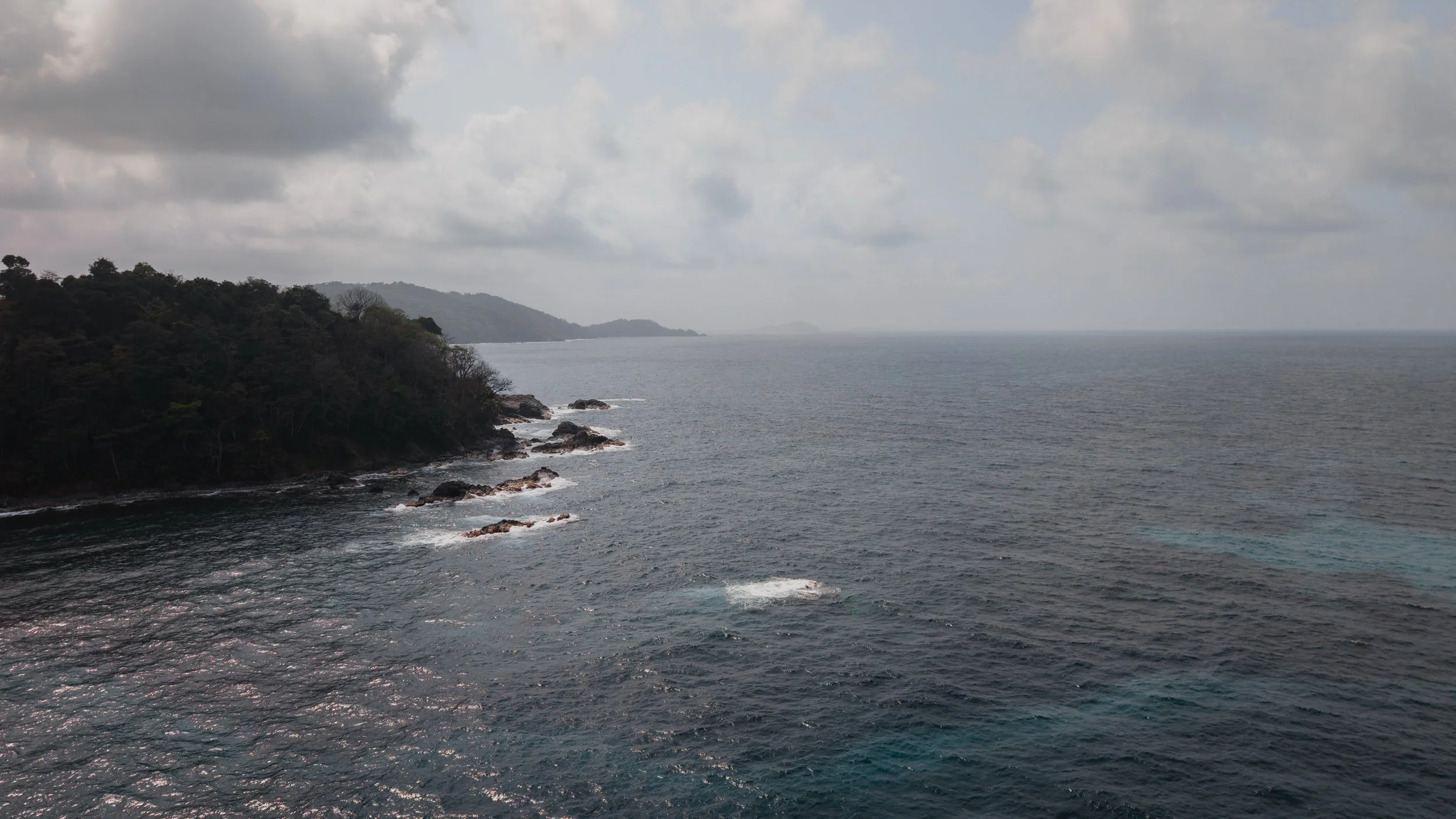
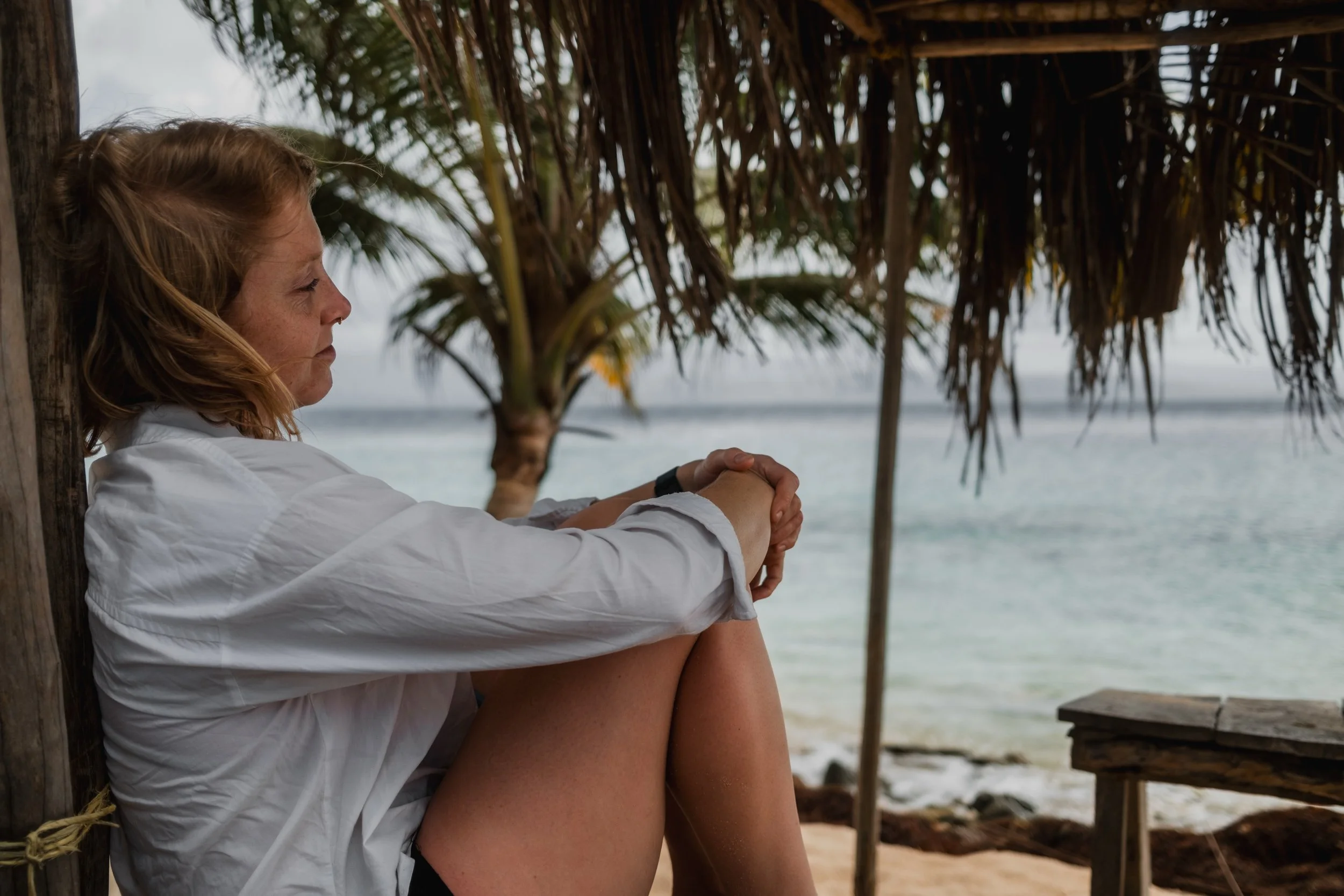
Being out on the open ocean in a kayak proved to be an entirely different beast from the bikepacking expeditions I'm accustomed to. While I'm used to the measured, contemplative pace of remote dirt roads, there's no hiding from vulnerability when you're alone with the ocean—relentless winds, sudden storms, and the sheer isolation of being miles from shore combine into something that tests you in ways I hadn't fully prepared for.
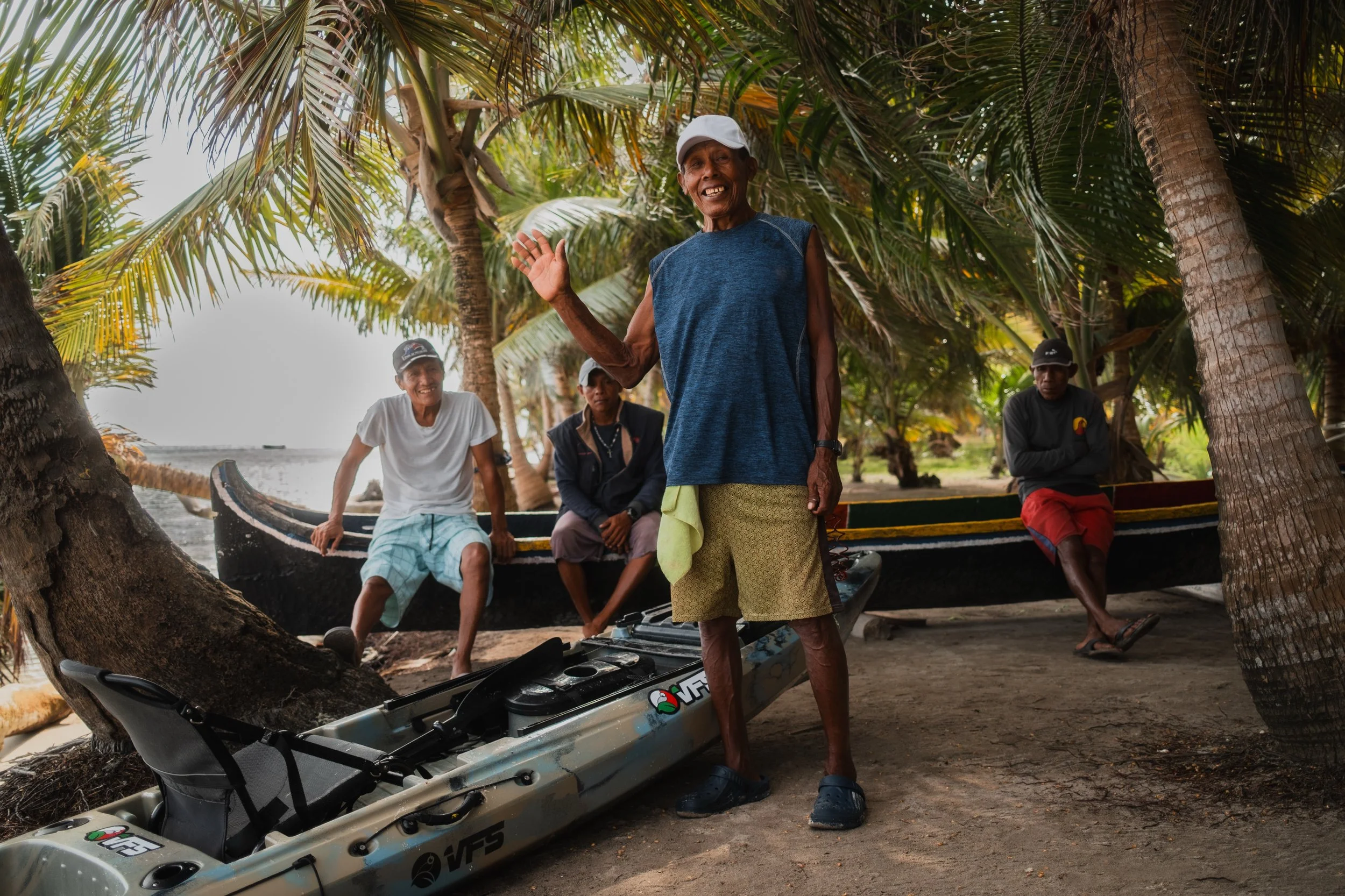
This film documents the full story: the launch refusals, the incredible people I met along the coast, the physical exhaustion, and what it actually takes to survive the margins of the world's most notorious jungle.
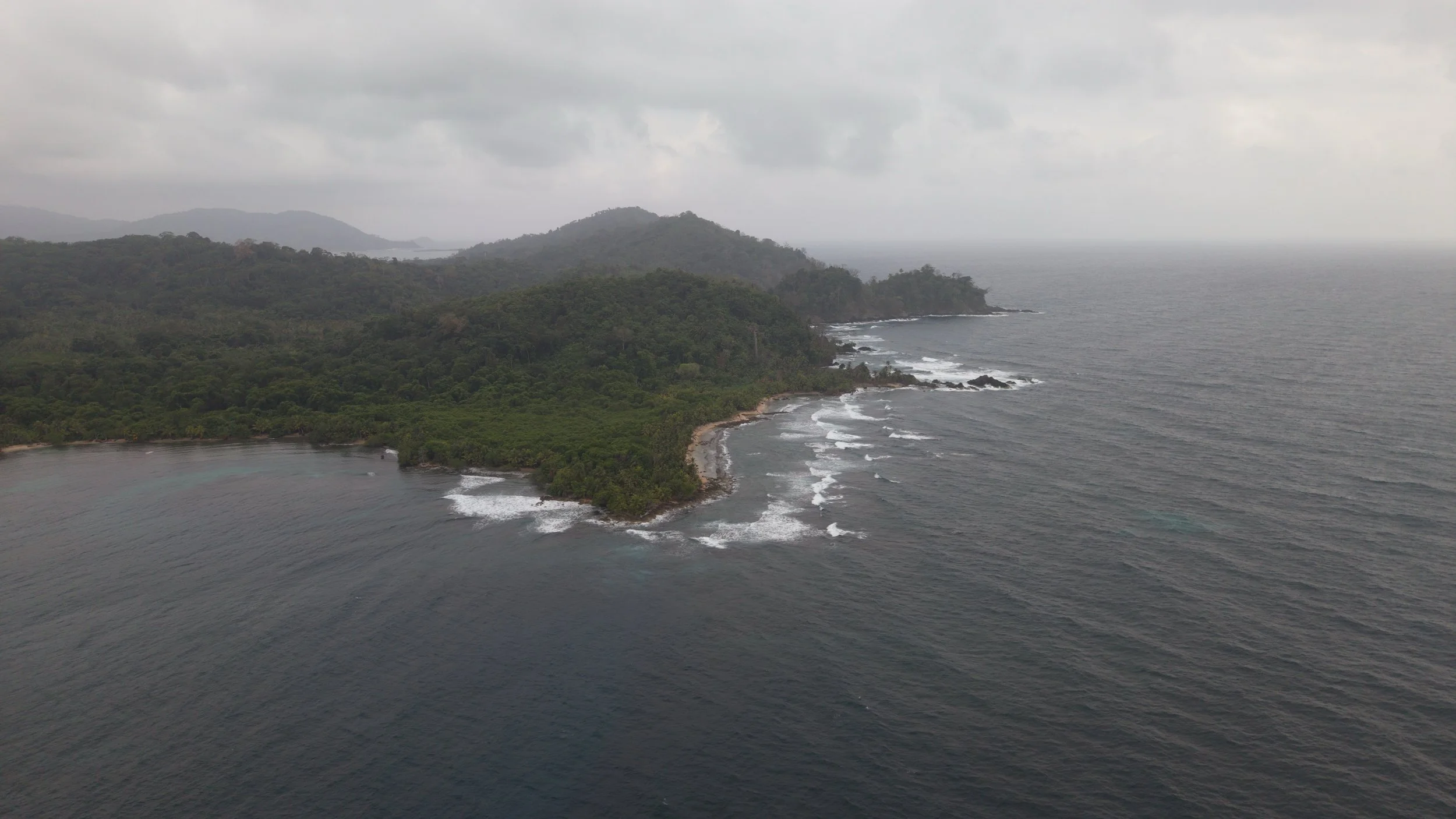
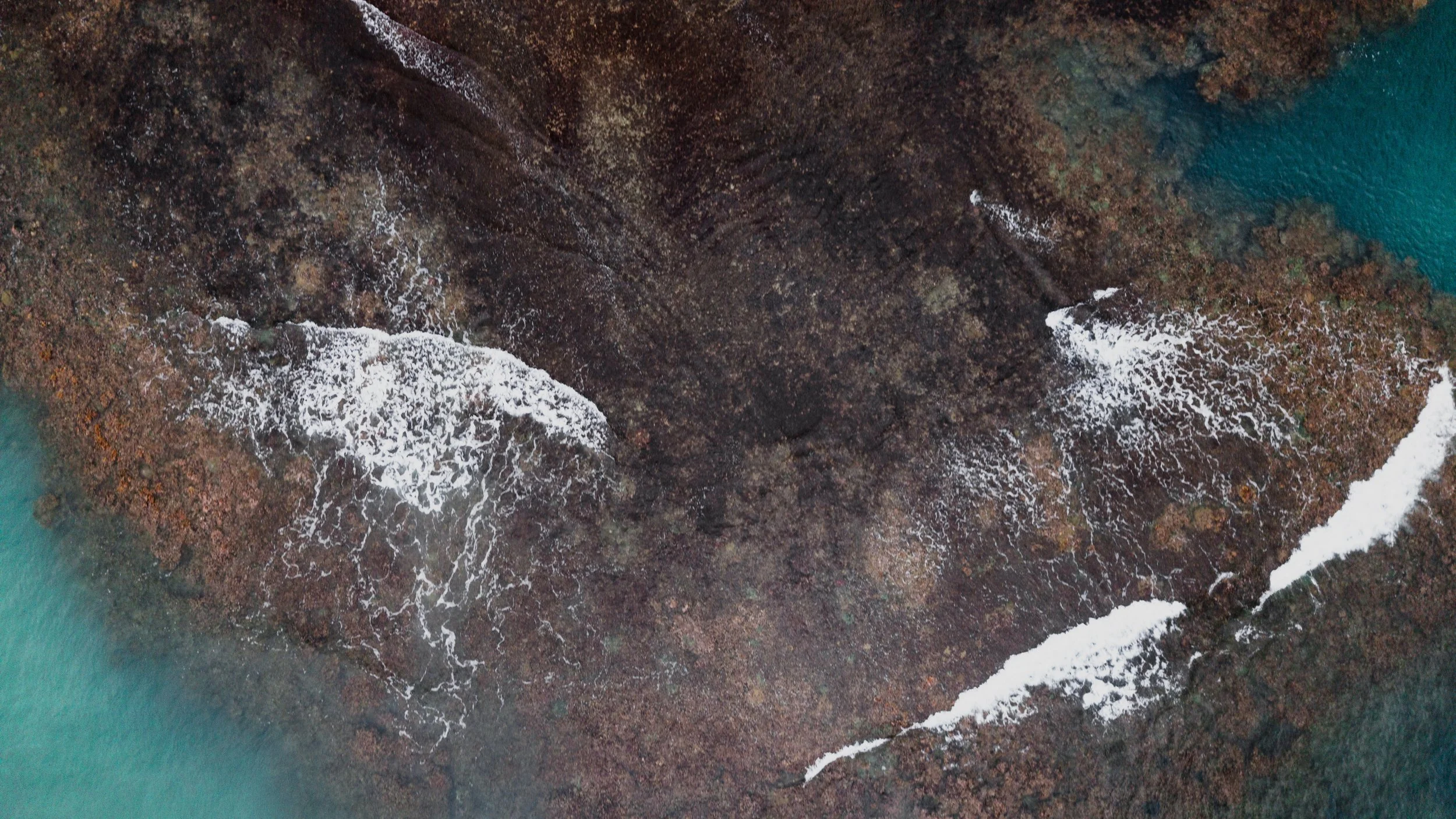
I should mention that since filming, I've learned that the Guna Yala regional leadership has recently imposed restrictions on kayaking in their waters. I was completely unaware of this at the time, and the locals I'd consulted beforehand had given me the all-clear, which certainly explains some of the difficulties we encountered trying to launch. If you're considering a similar journey, please check the very latest regulations with the council in Panama City before you go—I don't want others to face the complications we did. What I can tell you is that the footage barely captures the intensity of those ocean conditions; sitting in a kayak, it felt infinitely more powerful and precarious than it looks on screen.
With that said, I will include a few logistical notes for anyone not deterred by the above disclaimer. I would suggest watching the film first, as the following will contain spoilers.
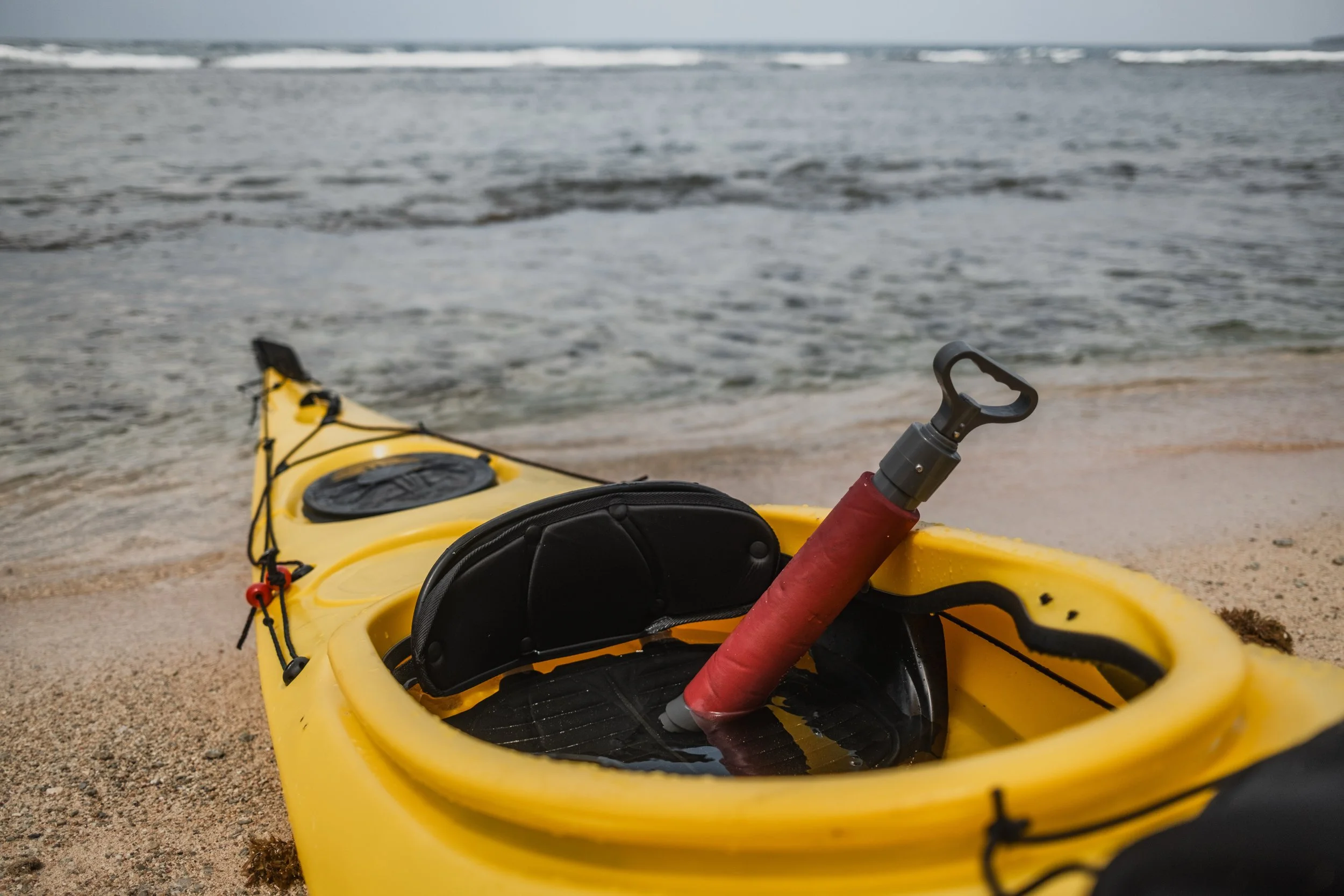
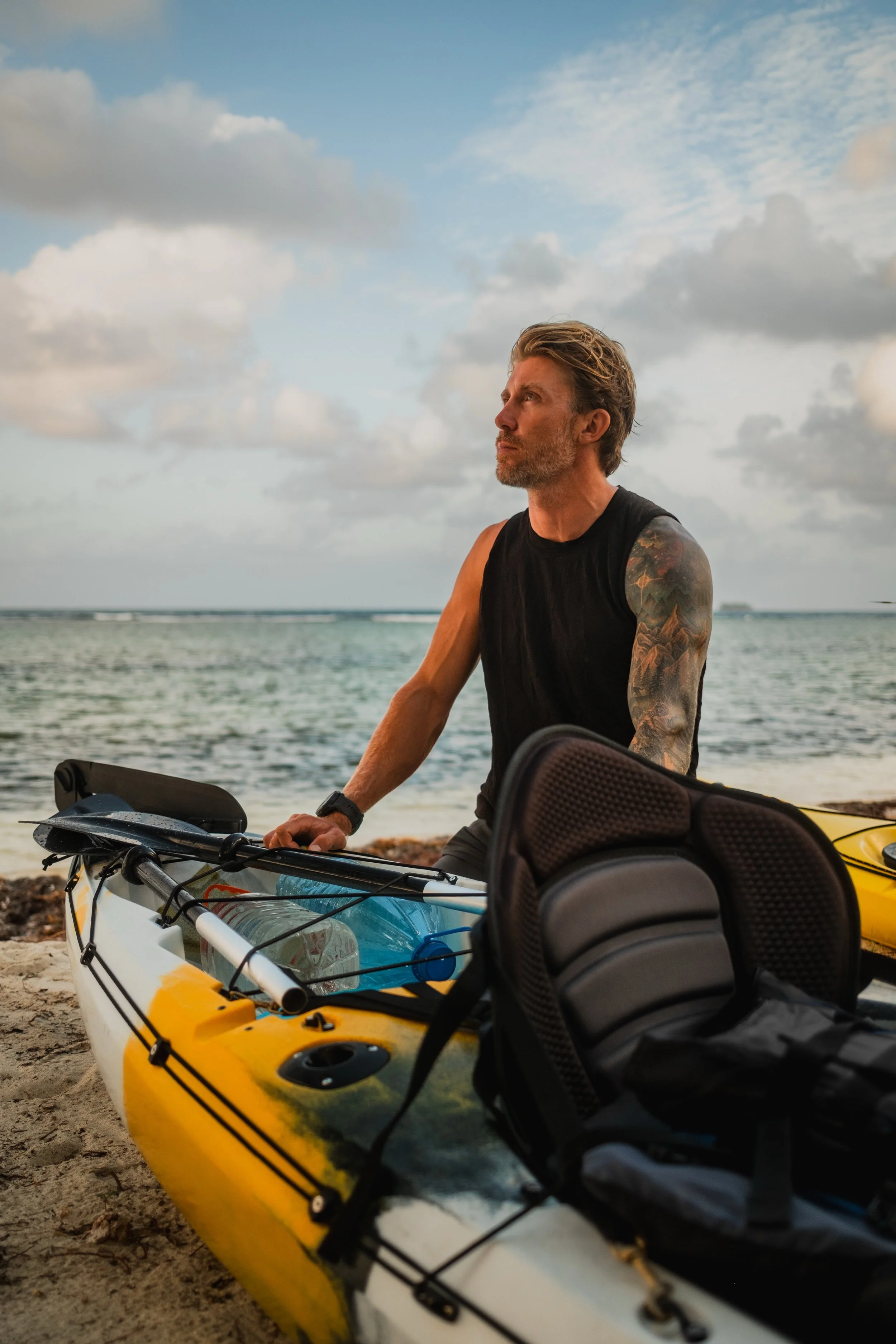
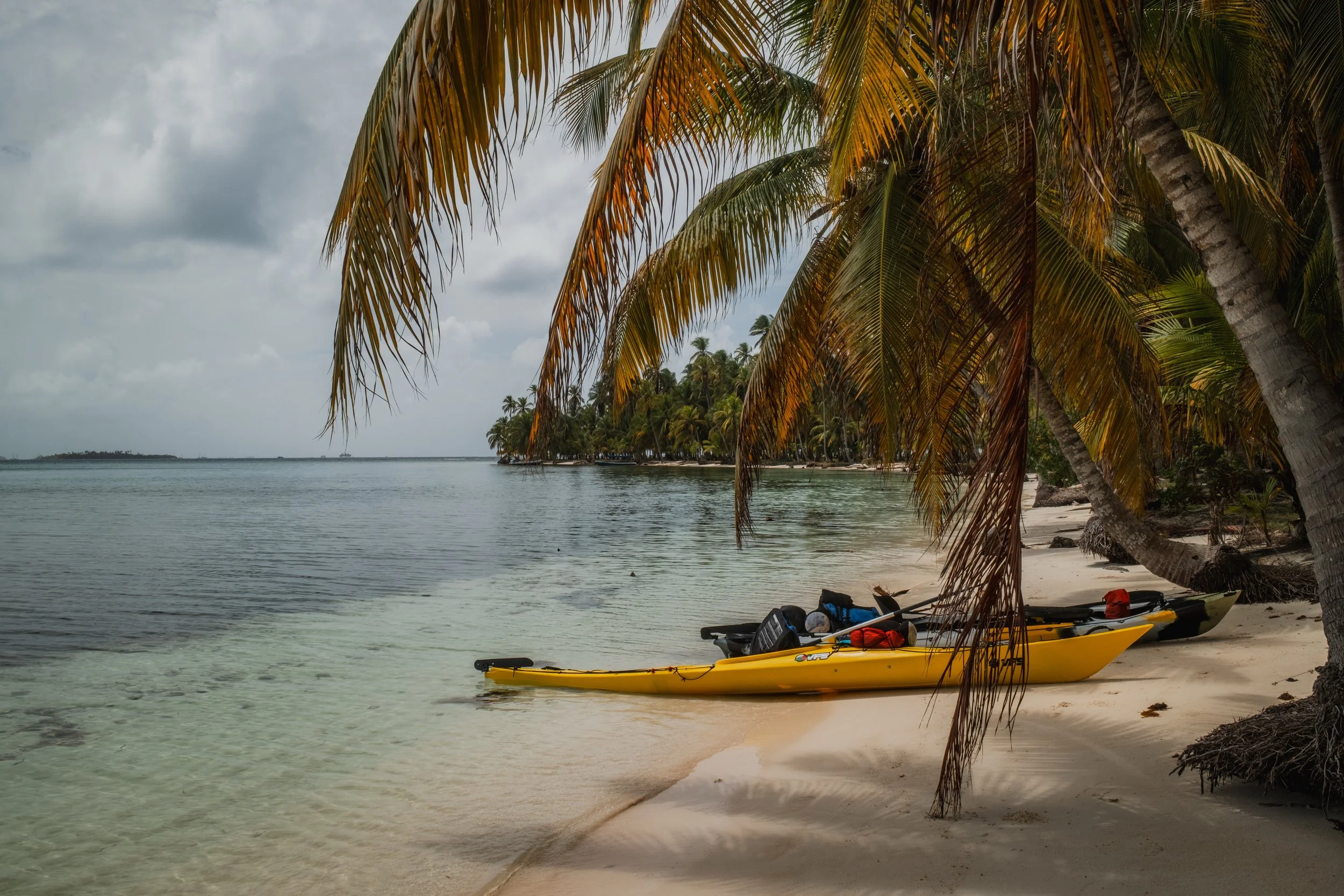
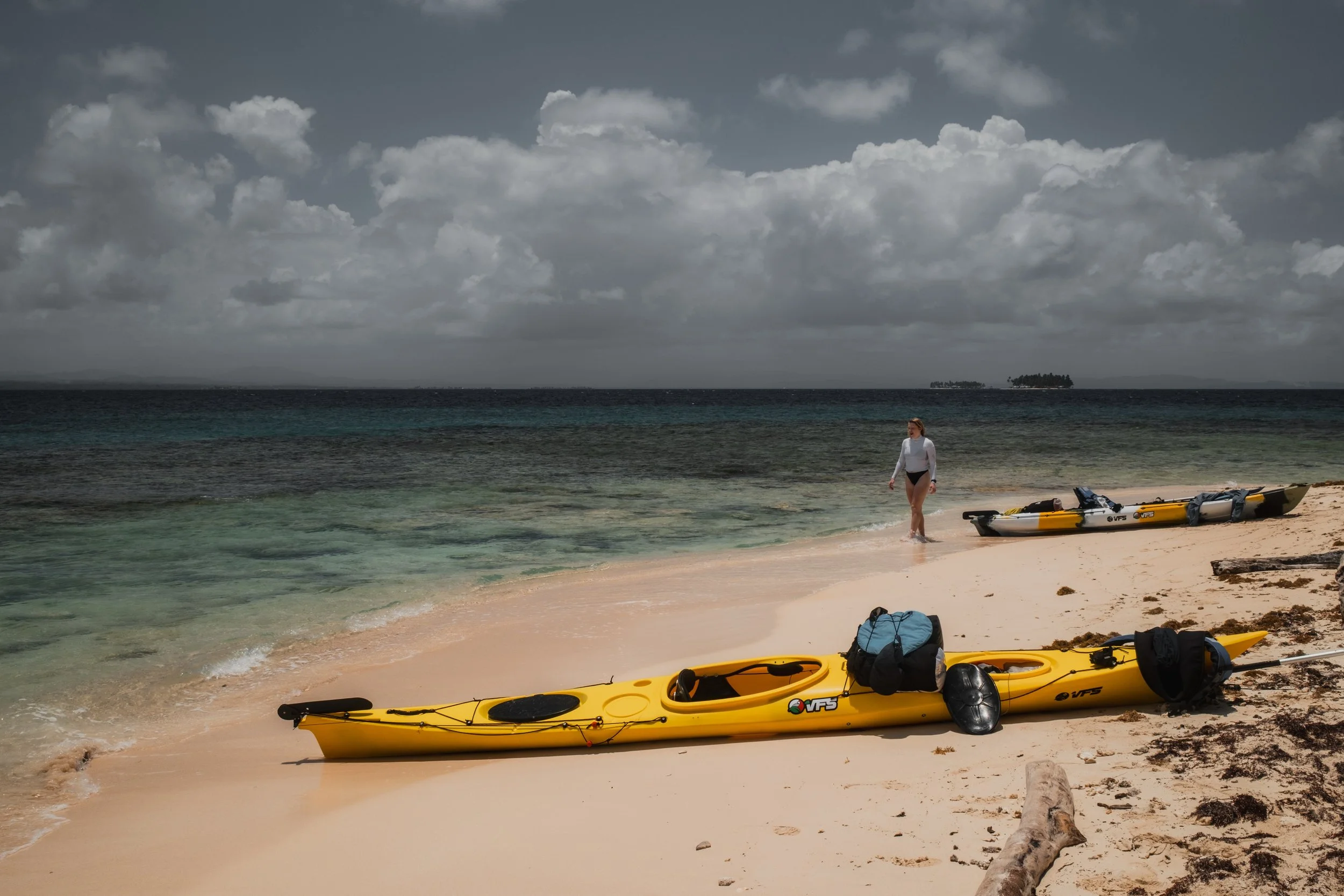
We purchased the kayaks at VFS Store in Panama City, and I would highly recommend getting in touch with the team there as they were a big help in getting everything ready. We bought the kayaks new because we didn’t have any luck finding suitable boats secondhand in the city, especially since we needed three seaworthy kayaks rather than just one. Finding a used boat on Facebook Marketplace is definitely possible. We already had all the necessary camping and survival equipment elsewhere, but the kayak-specific equipment was easy to find at VFS. In the end, the boats and extras (ie, life jackets, paddle leash, a dry-deck skirt for the one sit-in kayak) came to around US$1000 each.
VFS also helped us organise transport from Panama City to the coast. For a large truck capable of carrying all three big kayaks, we ended up paying around $100 each. We launched from Puerto de Cartí, but that turned out to be a mistake, as we were refused permission to launch, and launching from a quieter spot would have made our lives far easier. Unfortunately, by the time we realised the situation, we were already stuck in Cartí with no way to easily move anywhere else, so escaping by night seemed our only option short of giving up.
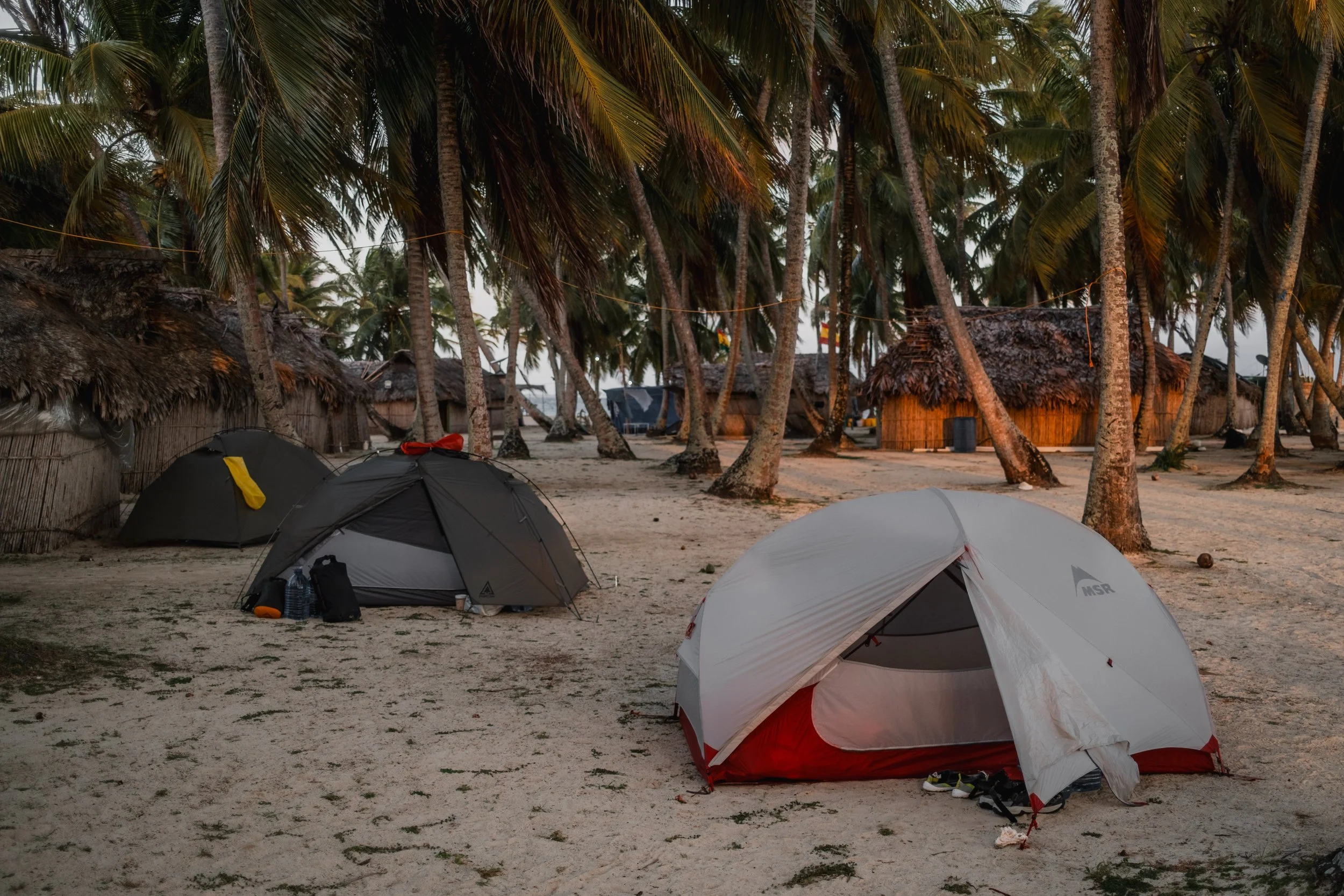
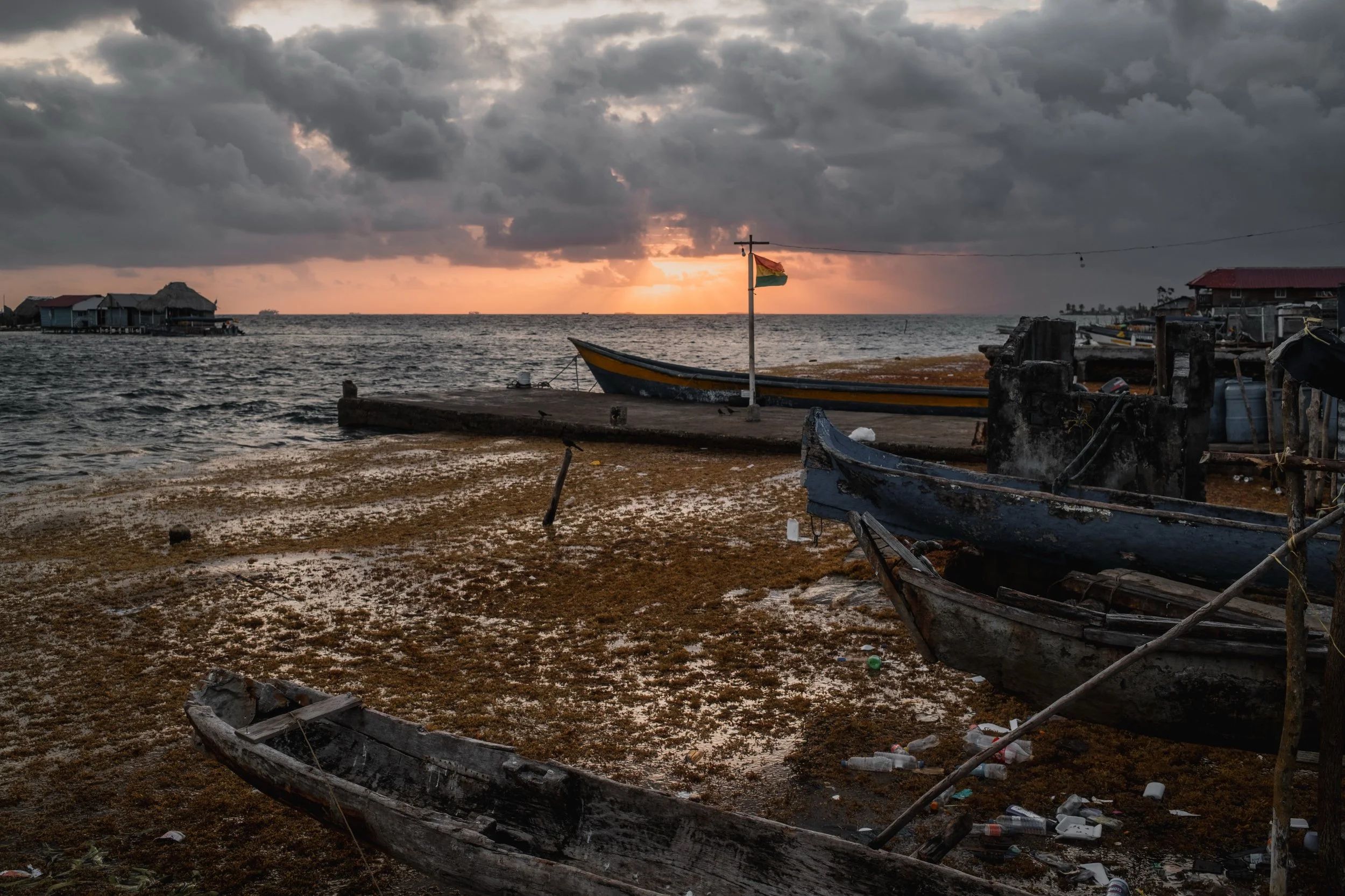
There are many towns along the way, so resupplying with food and water would not be difficult, although options are limited. For the first 50 kilometres of the route through the prime San Blas islands, we actually paid for dinner most nights, and rarely cooked, since we usually ended up camping on islands that offered excellent food for reasonable prices. I started the route with food for 2 weeks and finished on day 15, with a day or two left over. I carried up to around 25 litres of water at a time, which was overkill, but I had the space, and it did mean that I was able to complete the final 180 kilometres of the route from Ticantique to the finish in Capurgana without needing to resupply.
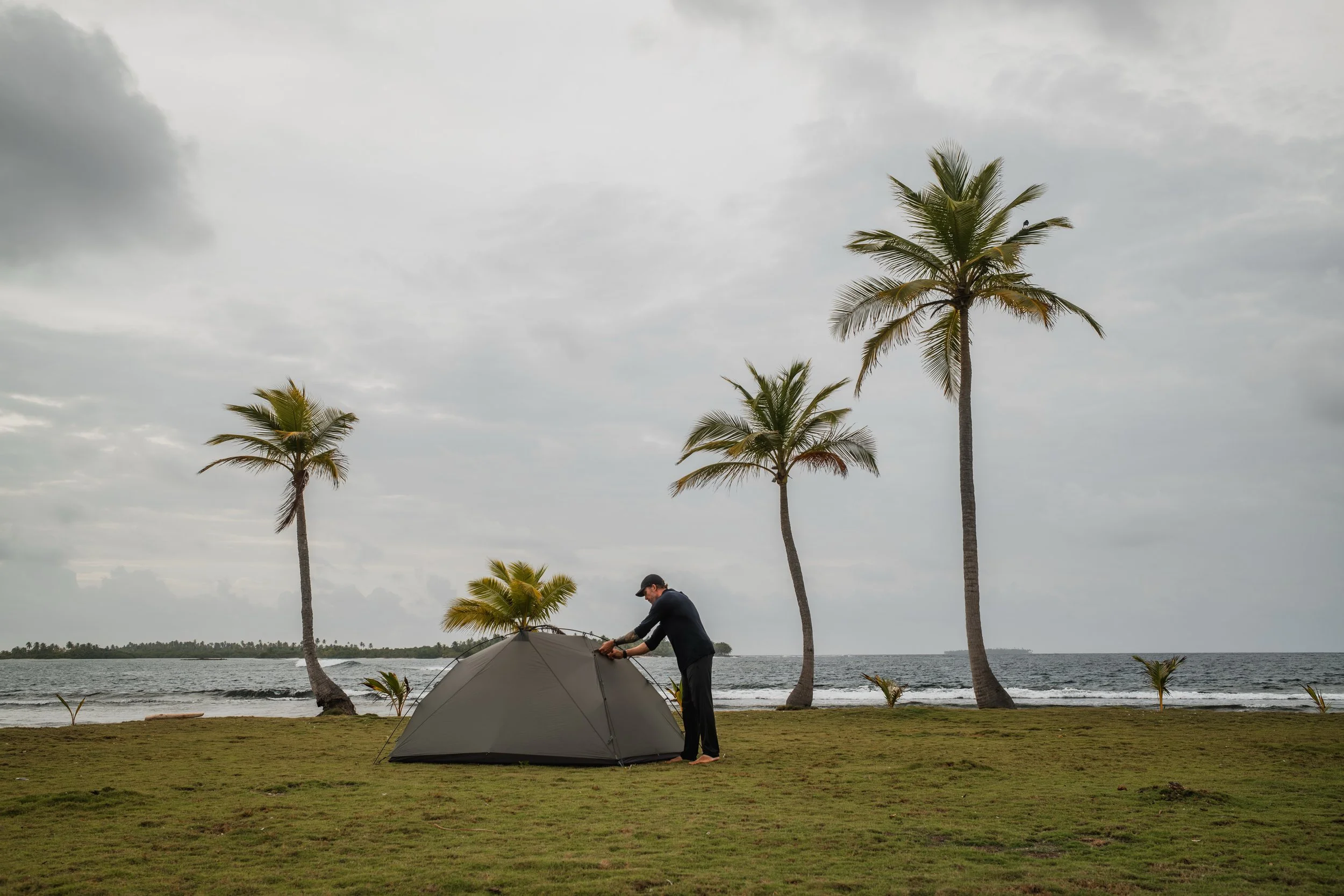
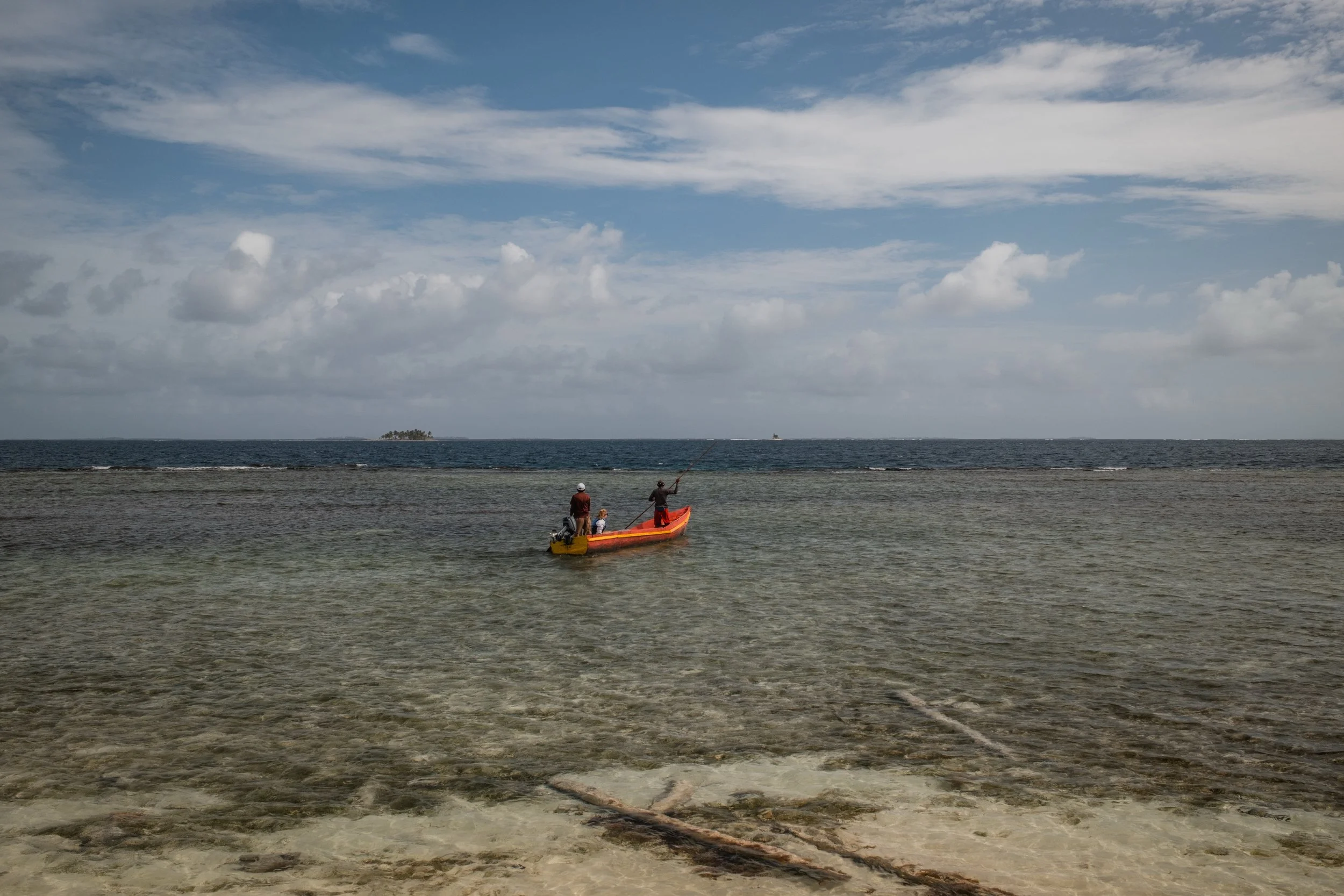
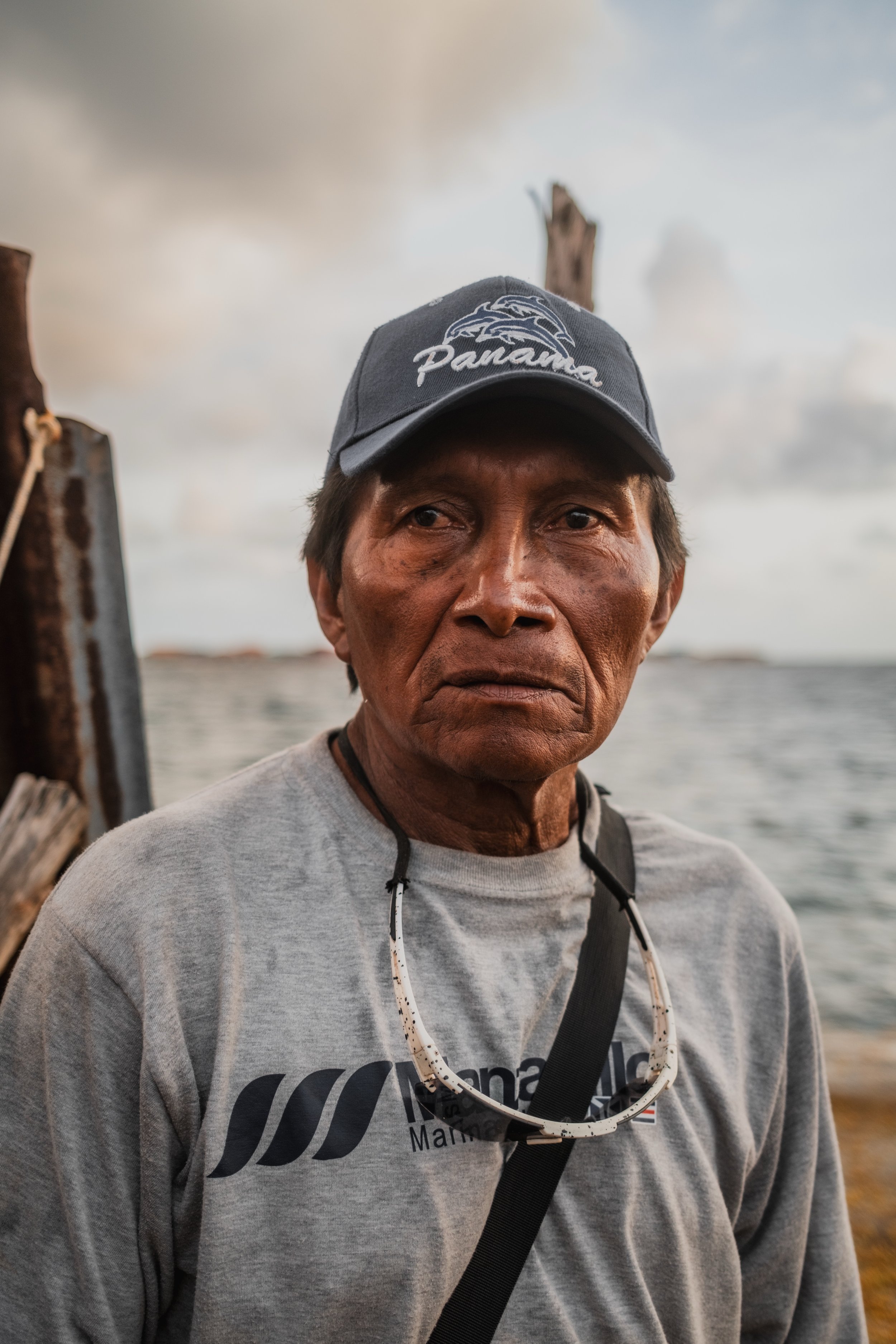
After passing Ticantiqui and continuing alone, I wild camped away from people almost every night and rarely stopped in communities, since I was paddling hard every day and, by the evenings, I generally just wanted peace and quiet. In hindsight, I’m lucky that I chose to avoid bigger towns, especially places like Nargana, as I suspect I would likely have been detained had I stopped. I had no issues with immigration at Puerto Obaldia, however, as that town is run by the Panamanian government rather than the Guna Yala. Everyone I met was incredibly friendly, and none of the locals I spoke to ever expressed any concern about me kayaking through - the response was always positive.
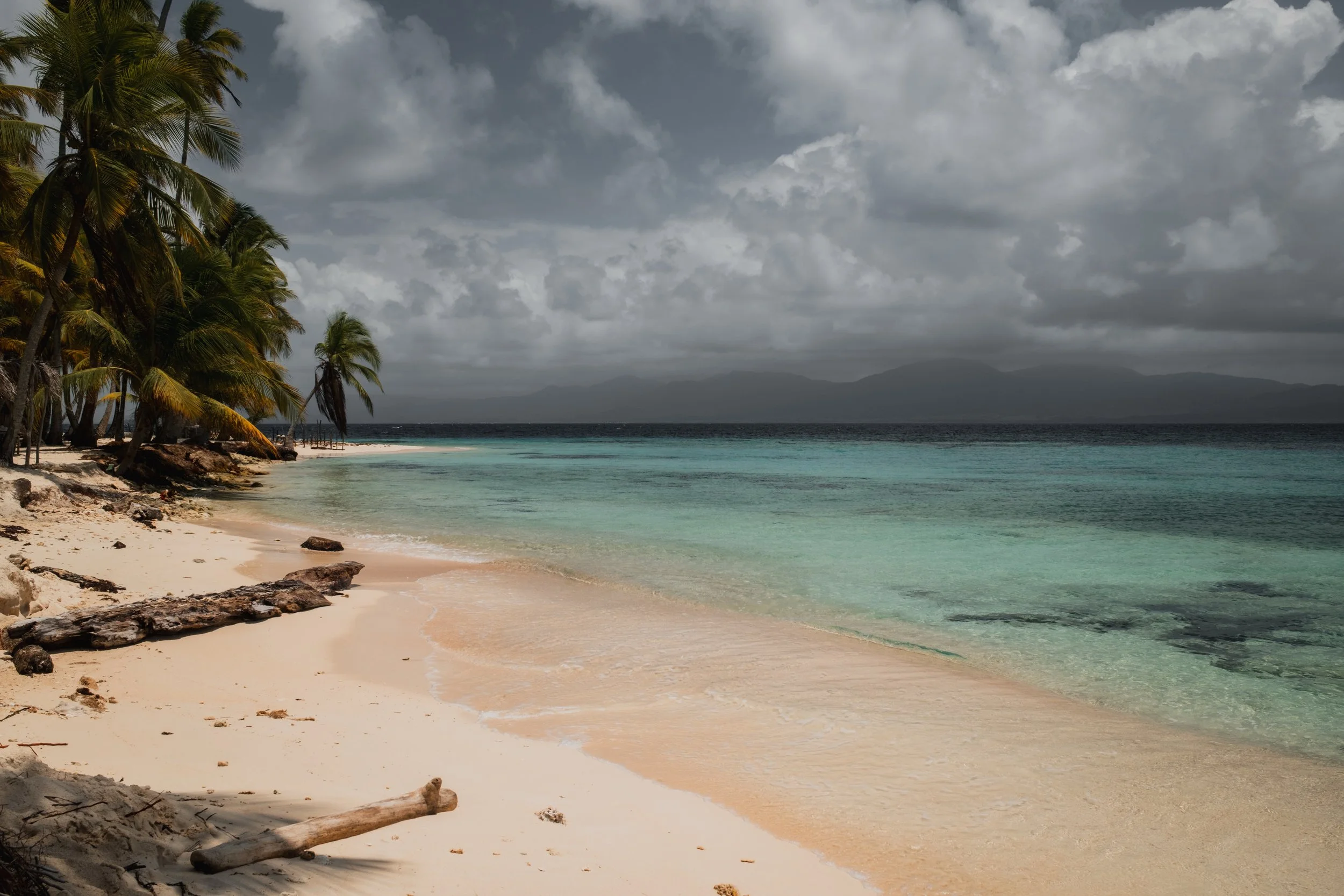
I should also mention the sandflies, which can be a major headache in this area. In my case, this was actually a non-issue, since it was almost always windy, but if you get better conditions, the sand flies will quickly make themselves known. We paddled the route in mid-April, and the weather conditions were very rough. The dry season tends to be windy, whilst the rainy season is much calmer, but subject to thunderstorms, which can be dangerous. April is a shoulder season, so we’d been hoping for the best of both worlds, but in fact, we ended up with the worst of both worlds instead, with heavy wind in addition to rain and storms. The seasons are getting ever harder to predict, but I’d suggest trying to go slightly later in the year if possible. The winds are no joke.
From Capurgana, it’s easy to get a direct boat across the bay to Necoclí, from where there are direct bus connections to anywhere you want to go. You could also continue kayaking along the coast all the way around to Turbo or Necoclí, which would take another 1-2 weeks, but Capurgana is the first town across the border from where you can make it out.
I shipped my bicycle by boat from Panama City to Cartagena. To do this, I cycled to the Overland Embassy in Panama City and spoke to the people there. Many overlanders use the Embassy to transport their vehicles around the Darien Gap, and there’s also a campsite there where many of them stay. After getting permission, I simply walked into the campsite and asked the first people I met whether they would be willing to let me put my bicycle into their campervan for the journey. A German couple agreed to exchange for a couple of hundred dollars, and, thankfully, it all went smoothly. I was able to collect by bike in Cartagena after taking a bus there from Necocli.
I hope that helps anyone considering the journey, although, as I mentioned, at the time of writing in May 2025, the Guna Yala have imposed a limited ban on kayaking in their waters. Things can change, so please check the current rules. Above all, if you do take on the crossing, be careful. I was very lucky to make it through unscathed.